
Common myrtle
Myrtus communis L.
Description
Sowing dates
Propagation of Myrtus communis is typically achieved through seeds or stem cuttings. Seeds are sown in late winter or early spring using a light, well-draining substrate mix consisting of peat and sand.
For successful germination, a stable temperature between 20–22 degrees Celsius is required. Containers should be covered with glass or film to maintain humidity, while daily ventilation is necessary to prevent fungal issues among seedlings.
Vegetative propagation using semi-hardwood cuttings is the preferred method for commercial cultivation. Cuttings are taken in summer, ensuring that the genetic traits of the parent plant are perfectly preserved in the offspring.
Pricking out of seedlings occurs once the first set of true leaves develops. Young plants require abundant indirect light to ensure strong, bushy growth without the risk of leaf scorch from intense sun exposure.
Once the young myrtle plants reach 10–15 centimeters in height, they are ready to be transplanted into individual pots or outdoor fields, provided the local climate supports the species' growth cycles.
Growing requirements
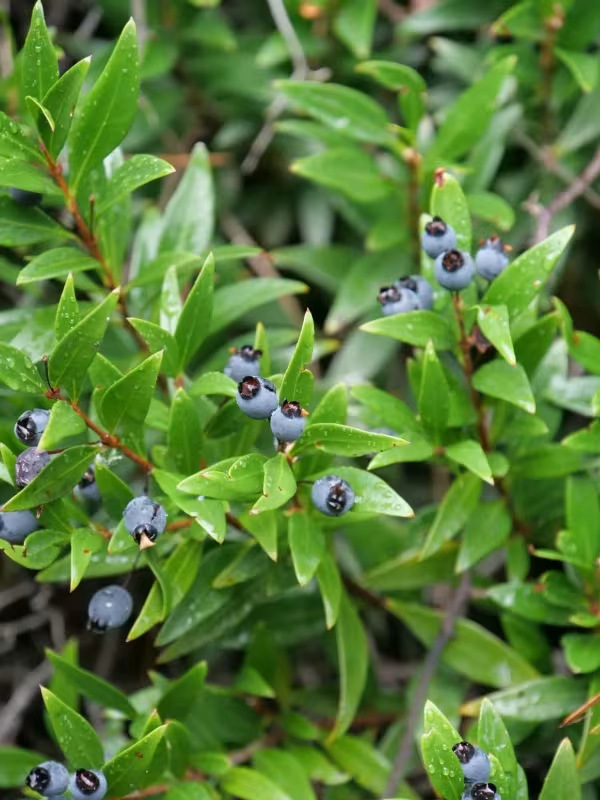
Common myrtle (Myrtus communis L.) is a woody evergreen shrub belonging to the Myrtaceae family. It is a signature plant of the Mediterranean, valued for its fragrant leaves, flowers, and dark, aromatic berries.
The plant has a high requirement for light and thrives best in full sun or bright filtered light. Insufficient light levels directly lead to reduced essential oil production and poor branching, affecting the plant's overall value.
Ideal growth temperatures range from 20 to 25 degrees Celsius. During the winter, the plant benefits from a dormant period in cooler temperatures between 6 and 10 degrees, which is essential for triggering spring flowering.
Soil requirements include a fertile, loose, and well-draining structure with a neutral to slightly acidic pH. Waterlogging must be avoided at all costs, as the roots are highly susceptible to rot in stagnant moisture.
Consistent watering is required during the growing season. High air humidity is beneficial, so misting the leaves regularly or utilizing humidification systems is common practice in both home and professional cultivation.
Main diseases and pests
Common pests affecting myrtle include scale insects, spider mites, and mealybugs. These thrive in warm, dry indoor environments and can quickly infest a plant if not monitored and treated with appropriate insecticides.
Root rot, often caused by overwatering and poor drainage, is a significant threat to the crop. Preventive measures include ensuring the soil surface dries slightly between waterings and applying biological fungicides if necessary.
Powdery mildew may develop if air circulation around the canopy is poor. Strategic pruning is essential to keep the shrub airy, which significantly reduces the risk of fungal infections within the dense foliage.
Thrips and whiteflies are less common but can cause severe damage to the foliage by sucking sap, which stunts development. Integrated pest management, including natural predators, is recommended for sustainable production.
As the plant is often used for culinary purposes, growers prioritize biological pest control methods over harsh chemical pesticides to maintain the safety and quality of the final harvest.
Harvesting
Harvesting of leaves and tender stems is conducted during peak growing periods to maximize essential oil content. This typically happens in late summer or early autumn before the plant enters its seasonal dormancy.
Harvesting is performed using sharp, clean tools to minimize damage to the woody structure of the plant. Careful selection of branches allows for regular yields without compromising the plant's long-term health.
The collected raw material is dried in shaded, well-ventilated areas at controlled temperatures below 40 degrees Celsius. Proper drying is critical to prevent the loss of volatile aromatic compounds found in the foliage.
Myrtle berries are harvested once they reach full maturity, indicated by their dark blue-black color. These are processed in food industries for the extraction of essences or used in traditional culinary preparations.
Stored raw materials must be kept in airtight containers away from direct sunlight. This ensures that the medicinal and aromatic integrity of the product is maintained for as long as possible after harvest.