
Myrciaria glazioviana
Myrciaria glazioviana
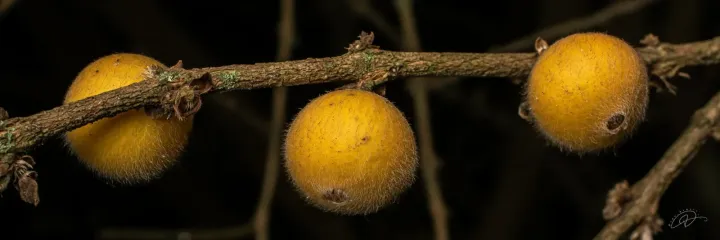
Description
Sowing dates
Propagation of Myrciaria glazioviana is primarily performed via seeds, which are known to have a very short shelf life and must be sown immediately after harvest.
Seeds should be planted in a well-draining, nutrient-rich, and slightly acidic substrate to ensure successful germination under controlled nursery conditions.
Maintaining high ambient humidity and a steady temperature range of 25–28°C is essential for encouraging uniform and rapid development of the seedlings.
Young plants are sensitive to direct sunlight and require partial shade during the initial stages of growth to prevent scorching of the foliage.
Once the seedlings reach a height of approximately 20 cm, they can be transplanted into larger pots for further development before being moved to their final location.
Growing requirements
As a member of the Myrtaceae family, this species thrives in humid tropical environments and requires protection from cold temperatures and frost.
The soil must be fertile, deep, and possess excellent drainage capabilities; waterlogging is extremely detrimental and often leads to fatal root rot.
The plant performs best in a sunny exposure, although mature trees benefit from some protection against the most intense afternoon sun in arid climates.
Regular irrigation is a fundamental aspect of its maintenance, as the plant does not tolerate drought and requires consistent soil moisture to stay healthy.
If grown in containers, it is necessary to ensure that the pot has large drainage holes and that the growing medium does not become compacted over time.
Yield
The fruit of Myrciaria glazioviana, commonly known as "cabu," is a small, aromatic berry prized for its flavor, which resembles a blend of apricot and tropical nuances.
Trees typically reach reproductive maturity and begin bearing fruit after 5–6 years of growth under optimal environmental and nutritional conditions.
Fruit set can be maximized through regular fertilization programs that focus on providing sufficient potassium during the blooming and fruit development stages.
Individual tree yield varies based on age, crown development, and local climate conditions, with older trees generally demonstrating significantly higher productivity.
Consistent agricultural management, including proper pruning and moisture control, ensures a reliable harvest and maintains the overall vigor of the tree.
Main diseases and pests
Fungal diseases are the primary concern for this crop, especially in areas with poor ventilation or consistently high humidity levels in the soil or air.
Pest management should focus on monitoring for common threats like mealybugs and spider mites, which can sap the vitality of the foliage if left unchecked.
Implementing regular sanitary pruning helps improve airflow throughout the canopy, which is a highly effective preventative measure against various fungal leaf spots.
It is advisable to utilize organic or integrated pest management strategies to keep the crop healthy without compromising the safety of the fruit for consumers.
Early identification of pest infestations is key to preventing large-scale outbreaks, particularly in greenhouse or nursery environments where humidity is high.
Harvesting
Harvesting is a delicate process as the fruit is fragile and prone to bruising, requiring careful handling from the moment it is removed from the branch.
The ideal time for harvest is when the fruit has reached a bright orange color and yields slightly to gentle finger pressure, indicating full ripeness.
Due to the extremely short shelf life of the berries, post-harvest logistics must be efficient to get the product to the consumer as quickly as possible.
The fruit is highly valued for fresh consumption and is frequently used in local culinary applications, such as juices, jams, and traditional desserts.
For best quality, fruit should be picked early in the day and stored in a cool, shaded environment until processing or distribution to prevent rapid spoilage.