
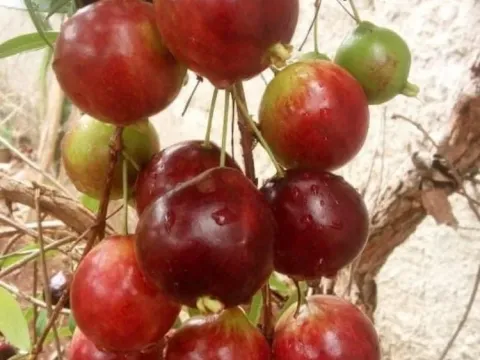
Eugenia gemmiflora
Eugenia gemmiflora
Eugenia gemmiflora is a member of the Myrtaceae family, sharing many cultivation characteristics with other tropical fruit trees. Propagation is primarily achieved through seeds, which should be planted as soon as possible after harvesting due to their limited viability.
What the section contains
Eugenia gemmiflora
The seeds require a warm, humid environment to germinate, typically between 25 and 28 degrees Celsius. Using a light, well-draining potting mix is essential to prevent the seeds from rotting before they can successfully sprout.
Once seedlings have developed their first few true leaves, they should be carefully transplanted into larger containers. Proper spacing at this stage is crucial to ensure each plant receives enough light and airflow to prevent stunted growth.
Acclimatization of young plants to sunlight should be a gradual process. Early exposure to harsh direct sun can damage young leaves, so keeping seedlings in semi-shaded areas is recommended for the first few months of growth.
Planting in the field should only occur when the seedlings are robust enough to withstand fluctuating environmental conditions. Typically, a height of 30 to 40 centimeters is considered the minimum for permanent field establishment.
This species is strictly a tropical plant that thrives in regions with consistent warmth and humidity. It lacks cold hardiness and must be protected from any frost, which can cause severe damage or death to the tree.
Soil quality is paramount, with the plant favoring rich, organic-heavy soils that possess excellent drainage properties. Standing water is highly detrimental, often leading to rapid decline through root rot pathogens.
Full sun exposure is required for mature trees to reach their maximum production potential. While young plants benefit from some shade, adult trees need consistent light to facilitate photosynthesis and fruit set.
Water management is a key aspect of agrotechnology for this species, especially in regions with distinct dry seasons. Maintaining soil moisture without creating waterlogged conditions requires a strategic irrigation system.
Regular pruning is necessary to maintain a manageable tree size and to ensure that light can penetrate the interior of the canopy. This practice not only improves yield but also helps in monitoring for potential pests.
The primary agricultural interest in Eugenia gemmiflora lies in its fruit production. The fruits are typically small, edible berries that are valued for their distinct tropical flavor in local culinary traditions.
The plant exhibits cauliflory, where flowers and fruits develop directly on the trunk and older branches. This trait makes the harvesting process more efficient, as the fruit remains concentrated in accessible areas.
Yield capacity is influenced by tree age, irrigation quality, and the presence of natural pollinators. Healthy trees can provide multiple small harvests throughout the fruiting season, provided they receive proper care.
Beyond fruit production, the species contributes to the overall biodiversity of tropical orchards. Proper orchard management, including fertilization with balanced organic compost, significantly enhances fruit quantity and size.
Research into the post-harvest shelf life of these fruits is ongoing. Since they have thin skins, immediate consumption or quick processing into jams and beverages is standard practice in regions where they grow.
Scale insects and mealybugs are the most common threats to the health of the plant. These pests feed on the sap and can significantly weaken the tree if not treated early with appropriate biological controls.
Fungal leaf spots and powdery mildew can occur during periods of high humidity and poor air circulation. Regular pruning is an effective preventative measure to ensure that moisture does not accumulate on the foliage.
Root rot is the most serious disease risk, almost always linked to poor drainage or overwatering. Maintaining soil health through proper irrigation management is the primary defense against this threat.
It is important to monitor the orchard regularly for any signs of leaf discoloration or wilting. Early detection of any pest or disease is the most effective way to avoid large-scale loss of the harvest.
- Regular inspection of the canopy.
- Use of neem-based insecticides for control.
- Ensuring proper drainage in the soil.
- Sanitizing pruning tools after use.
Harvesting is a delicate process performed by hand once the fruit reaches peak ripeness. Maturity is indicated by the transition of the skin color and a slight softness when touched.
Because the fruits are fragile, they must be handled with care during collection. Using padded containers helps prevent bruising, which would otherwise lead to rapid spoilage during transport to local markets.
The ideal time to harvest is early in the morning when the fruit is cool. This helps the fruit maintain its quality for longer periods after being plucked from the tree.
Immediate cooling of the harvest helps slow down the metabolic processes that lead to ripening and decay. This is particularly important for commercial viability in warmer climates.
Efficient supply chain management is necessary to move the product from the orchard to the consumer as quickly as possible. Minimal handling and rapid distribution are key factors in maintaining the fruit's integrity.