
Eugenia involucrata
Eugenia involucrata
Description
Sowing dates
Eugenia involucrata, commonly known as the Rio Grande cherry, is primarily propagated through seeds, which should be planted immediately after extraction for maximum viability.
The seeds require a well-draining, nutrient-rich soil mix to germinate successfully, with consistent moisture levels maintained throughout the process.
Sowing is best performed in the spring season when temperatures are consistently above 20 degrees Celsius, creating an ideal environment for seedling growth.
Place the seeds about 1–2 cm deep in the growing medium and keep them in a warm, sheltered area to protect them from extreme weather conditions.
Seedlings should be repotted once they reach a height of 10–15 cm to allow the developing root system sufficient space to expand and strengthen.
Growing requirements
As a member of the Myrtaceae family, this species thrives in deep, fertile soils and prefers a slightly acidic to neutral pH level for optimal nutrient uptake.
The tree is moderately frost-tolerant, being able to survive short cold snaps down to -6...-8 degrees Celsius once it is well-established in the landscape.
Full sun is essential for the healthy development of the tree and for maximizing fruit production, although partial shade may be beneficial in extremely hot climates.
Regular irrigation is vital during the dry seasons to prevent moisture stress, which can lead to premature leaf drop and reduced quality of the ripening fruits.
Wind protection is highly recommended for young trees, as strong gusts can damage delicate branches and interfere with the tree's overall structural development.
Yield
The Rio Grande cherry typically begins fruiting between 3 to 5 years from seed, making it a relatively quick-yielding choice for a home orchard.
Yield is highly dependent on the tree's health and age, with mature trees producing up to 20 kilograms of delicious, dark-colored berries per harvest season.
The tree exhibits multiple flowering cycles throughout the year, allowing for an extended harvest period that provides consistent fresh produce for the grower.
Applying balanced fertilizers during the active growing phase significantly improves yield quantity and the overall sugar content of the harvested fruit.
Managing competition from weeds and mulch application around the base of the tree helps retain soil moisture and nutrients, further boosting total production.
Main diseases and pests
The main challenges in cultivating Eugenia involucrata include fungal diseases, which are often caused by poor air circulation or excessively high humidity levels.
Common pests such as scale insects and spider mites can infest the tree, necessitating regular monitoring and timely intervention to prevent significant damage.
Pruning is an effective management tool; by opening up the canopy, growers can improve light penetration and airflow, which naturally reduces the risk of infection.
Integrated pest management strategies, such as the use of horticultural oils or soaps, are preferred to maintain the ecological balance in the garden.
Root rot is a major threat if drainage is inadequate, so ensuring the soil remains porous and well-draining is the most important preventive measure.
Harvesting
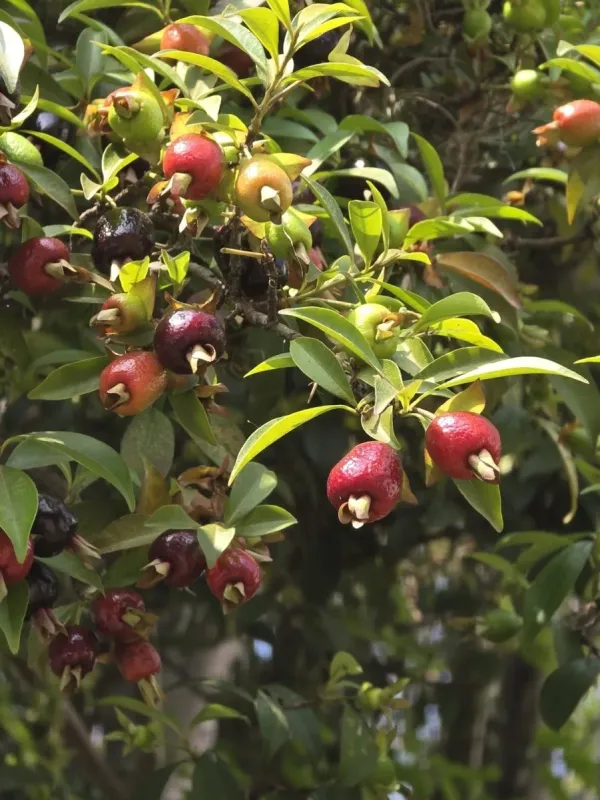
Harvesting is performed manually by picking individual fruits when they reach their characteristic dark-red to black coloration and feel soft to the touch.
The fruit skin is delicate, meaning they must be handled with care to prevent bruising during harvesting, processing, or transportation to the marketplace.
Post-harvest storage should involve quick cooling to extend the shelf life, as these fruits are best consumed or processed shortly after being picked.
The berries are highly versatile and widely used in culinary applications, including the production of jams, juices, jellies, and high-quality gourmet desserts.
For long-term storage, the fruit can be successfully frozen, which preserves its unique flavor profile and nutritional benefits for use throughout the off-season.