
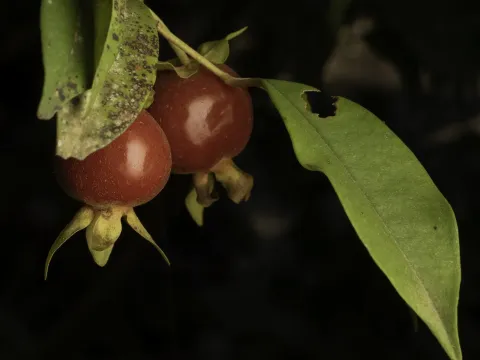
Eugenia expansa
Eugenia expansa
Eugenia expansa is a member of the Myrtaceae family, an evergreen tree or shrub valued for its edible fruits and ornamental appeal. In the wild, this species is typically found in the tropical forests of Brazil, favoring regions with high air humidity.
What the section contains
Eugenia expansa
The plant requires a consistently warm climate without drastic temperature fluctuations for optimal development. The ideal temperature range for vegetation is between +22°C and +28°C; furthermore, the culture is extremely sensitive to frost, which can be fatal for the plant.
Soil preferences include well-drained, fertile substrates with an acidic to neutral pH level. It is crucial to avoid waterlogging in the root zone, as the plant's root system is prone to rot under conditions of excessive soil moisture.
High light intensity is necessary for successful growth; however, young specimens require shading from direct sunlight during peak midday hours. In indoor or greenhouse conditions, the plant requires good air circulation to prevent the development of fungal diseases.
The crop is propagated primarily by seed, as cutting propagation requires strict adherence to humidity and temperature parameters in specialized greenhouses. Seeds lose viability quickly, so it is recommended to sow them immediately after extraction from mature fruits.
The fruits of this plant are spherical berries that develop a characteristic color and aroma upon ripening. Harvesting is carried out selectively as the fruits reach full maturity, as they are not prone to ripening once picked.
Traditionally, the fruits are consumed fresh and are also processed into jams, jellies, and various beverages. Due to their high antioxidant content and unique flavor profile, they are of interest to breeders and exotic fruit enthusiasts.
Harvesting dates depend on the geographical location of the plantation and the climatic conditions of the cultivation region. In tropical conditions, fruiting can be extended, allowing for harvests over a significant period of the year.
To ensure quality during transportation, the fruits should be harvested during the early morning hours when air temperatures are at their lowest. This helps slow down metabolic processes and preserves the commercial quality of the berries for a longer duration.
Economic use of the species also includes landscaping. Thanks to its dense, glossy foliage and striking flowers, Eugenia expansa is frequently planted as a decorative element in park areas within tropical regions.