
Eugenia inundata
Eugenia inundata
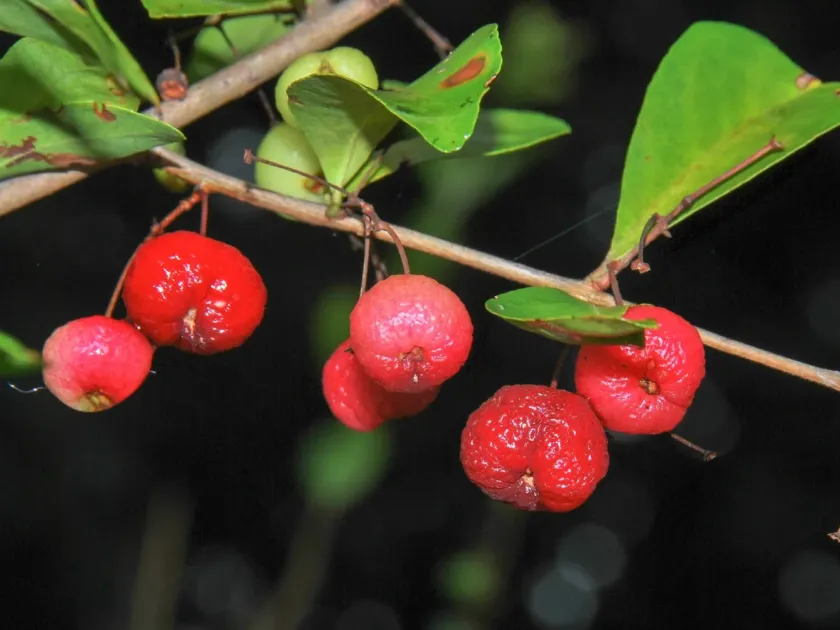
Description
Growing requirements
Eugenia inundata is a perennial woody plant belonging to the Myrtaceae family. Native to the tropical regions of South America, this species has evolved in ecosystems prone to seasonal flooding, which dictates its specific physiological requirements for high soil moisture levels.
To successfully cultivate this species, it is essential to provide nutrient-rich, well-draining soil that retains sufficient humidity. The plant thrives in tropical climates characterized by high ambient temperatures and consistent moisture levels, showing low tolerance for extreme drought or prolonged cold spells.
Botanically, the plant is recognized for its dense foliage and leathery leaves, which are rich in essential oils characteristic of the Myrtaceae family. The growth habit is typically bushy, requiring periodic pruning to maintain tree health and ensure adequate light penetration through the crown.
Agricultural success depends on mimicking the plant's natural environmental preferences. Regular irrigation is mandatory, especially during the active growth phases, while mulching helps preserve soil structure and protects sensitive surface roots from temperature fluctuations.
As a specialized crop, Eugenia inundata requires balanced fertilization programs that prioritize organic matter and microelements. Maintaining the right soil pH is crucial to ensure nutrient bioavailability and promote the overall vigor of the plant throughout its life cycle.
Main diseases and pests
Like many tropical fruit-bearing trees, Eugenia inundata is susceptible to specific pests that thrive in warm, humid conditions. Common threats include scale insects and mealybugs, which can damage foliage and stems if not managed through integrated pest control strategies.
Fungal pathogens associated with excessive moisture and poor air circulation pose a significant risk to the plant's health. Regular monitoring for signs of leaf spots or stem rot is essential, especially during the rainy season when humidity levels are at their peak.
Management of these threats involves a combination of cultural practices, such as maintaining proper plant spacing to improve airflow, and the judicious use of organic fungicides or biological control agents when necessary.
Protecting the root system from pathogens found in waterlogged soils is a high priority for commercial producers. Ensuring adequate drainage, even in plants adapted to moist environments, prevents the onset of root rot and other soil-borne diseases.
Early detection of infestation or disease symptoms is the cornerstone of effective crop management. Farmers are advised to conduct routine inspections and implement preventative measures to maintain tree health and sustain optimal fruit production levels over time.
Harvesting
The harvest of Eugenia inundata is a delicate operation centered on collecting small, succulent berries. These fruits are highly valued for their unique taste and are commonly used in the local culinary sector for juices, jams, and traditional desserts.
Timing the harvest is critical, as fruit quality degrades quickly after reaching peak ripeness. Producers typically harvest by hand, observing changes in fruit coloration and fragrance as key indicators that the berries have achieved optimal maturity and sweetness.
Post-harvest handling is a challenge due to the short shelf life of the fruit. Immediate cooling and careful packaging are required to maintain product integrity during transport to local markets, where they are consumed fresh or processed shortly after purchase.
Research into post-harvest technology aims to extend the freshness of the fruit, thereby increasing its market potential. Standardizing harvest protocols helps farmers maximize yields and reduce waste during the peak production months.
Beyond fruit production, the ongoing study of Eugenia inundata explores its potential in ornamental landscaping and functional food applications. Innovative agricultural practices are gradually transforming this species into a sustainable and profitable crop for tropical orchardists.