
Eugenia foetida
Eugenia foetida
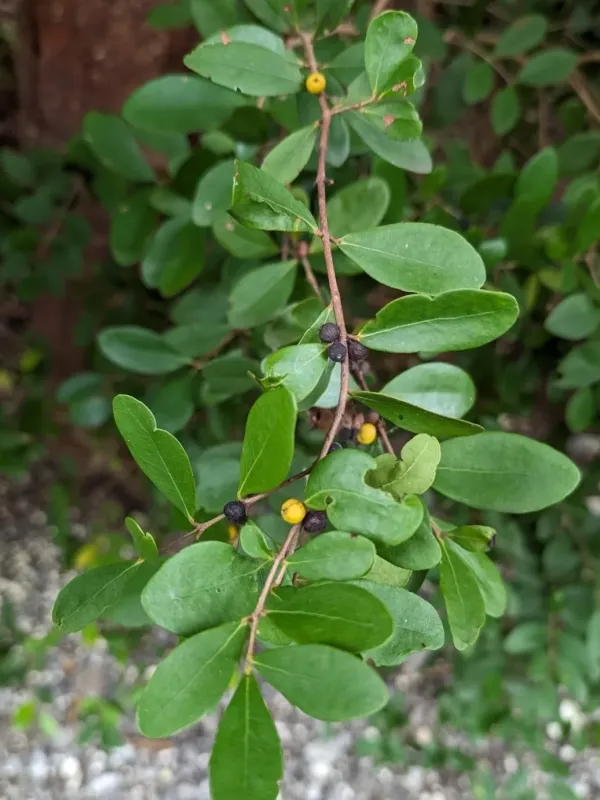
Description
Sowing dates
Propagation of Eugenia foetida is typically performed through seeds or stem cuttings. Seed propagation is considered the most common method, as fresh seeds exhibit high germination rates when planted immediately after harvest in a well-draining medium.
Sowing should take place in spring to ensure that the seedlings have ample time to establish themselves before the onset of the next winter. The use of a sterile, light soil mix containing peat and perlite helps maintain moisture levels while allowing for adequate root aeration.
For vegetative propagation, semi-hardwood cuttings are selected from healthy, mature plants. Using a rooting hormone is highly recommended to accelerate the development of the root system and increase the success rate of the clones.
Seedlings need to be transplanted into individual containers once they develop their first set of true leaves. Proper spacing is essential to ensure that each plant receives enough light and nutrients, preventing the development of weak or leggy growth.
Hardening off young plants is a crucial step before moving them to a permanent outdoor location. Gradually exposing the plants to environmental stressors over two weeks will significantly increase their resilience to wind and changing temperatures.
Growing requirements
Eugenia foetida is a member of the Myrtaceae family, native to tropical regions. It thrives in frost-free climates and is widely recognized for its high tolerance to saline soils and coastal exposure, making it an excellent candidate for coastal landscaping.
The plant requires well-draining soil with a pH ranging from slightly acidic to neutral. While it is adaptable to various soil types, organic matter enrichment significantly enhances the overall health and growth rate of the shrub.
Sunlight requirements are high, as the plant prefers full sun to partial shade conditions. Providing adequate exposure to solar radiation ensures a dense growth habit and promotes the production of its characteristic flowers and berries.
Watering management should focus on consistency, especially during the establishment phase. Once mature, Eugenia foetida demonstrates moderate drought tolerance, though it maintains a superior aesthetic appearance when provided with occasional irrigation.
Temperature management is key to successful cultivation. The species does not handle freezing temperatures well; if grown in areas prone to frosts, plants should be kept in protected spots or greenhouses to prevent damage to the foliage and stems.
Main diseases and pests
Scale insects and mealybugs represent the primary pests that affect the health of Eugenia foetida. These pests cluster along the branches and leaf axils, drawing sap from the plant and leading to stunted development and leaf chlorosis.
Sooty mold is a common secondary complication often associated with aphid or scale infestations. The mold grows on the honeydew excreted by these insects, which, while not directly parasitic, can block sunlight and reduce the plant's photosynthetic efficiency.
Root rot caused by Phytophthora fungi occurs in poorly drained soils or during periods of prolonged waterlogging. Symptoms include sudden yellowing of leaves and dieback of the branches, which often necessitates systemic fungicide treatment.
Integrated Pest Management (IPM) strategies are highly effective for this crop. Regular monitoring for the presence of early-stage pests and manual removal of infected branches often negate the need for intensive chemical applications.
Maintaining proper air circulation through regular pruning is the best cultural practice to prevent fungal pathogen buildup. Cleaning pruning tools between plants prevents the accidental spread of potential pathogens throughout the nursery or landscape.