
Eugenia itapemirimensis
Eugenia itapemirimensis
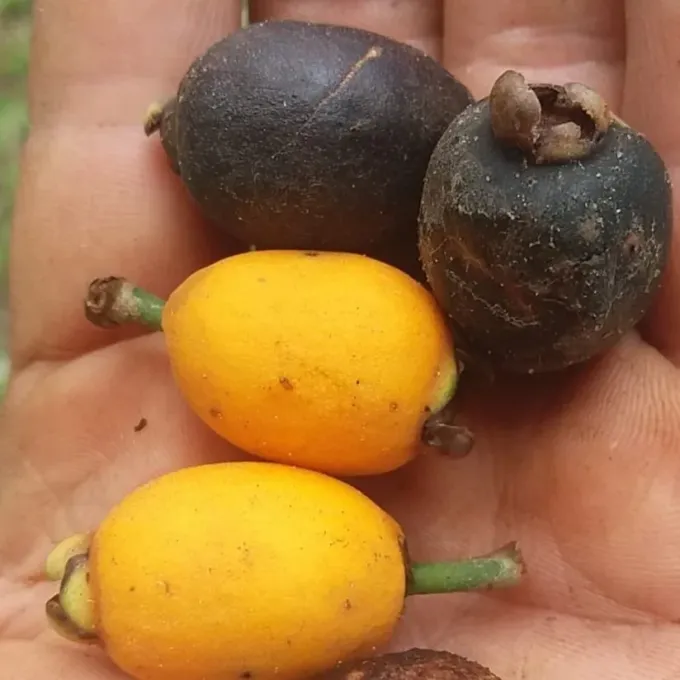
Description
Growing requirements
Eugenia itapemirimensis is an evergreen woody plant belonging to the Myrtaceae family. It is a rare botanical species known for its specific ecological niche and unique morphological features typical for the genus Eugenia.
The species originates from Brazil, specifically within the Atlantic forest regions. Due to its limited natural distribution, it is highly valued by horticulturists focused on the conservation and cultivation of rare tropical fruit trees.
Regarding climate, this plant thrives in tropical and subtropical zones. It requires warm, humid conditions year-round and is highly sensitive to frost, which can cause severe damage or death to the plant if temperatures drop too low.
Soil requirements are quite specific: the plant needs well-drained, fertile soil with a slightly acidic to neutral pH. Excessive moisture around the root system is detrimental, so ensuring proper drainage is essential for successful cultivation.
Agricultural management should focus on consistent moisture levels and providing sufficient sunlight. While young plants may benefit from partial shade, mature trees generally prefer brighter conditions for optimal vigor and flowering.
Harvesting
The primary agricultural use of Eugenia itapemirimensis is for its fruit production. The fruits are typically consumed fresh or processed into various food products like preserves, juices, or gourmet desserts, showcasing the versatility of this species.
Harvesting is a manual process, as the fruit's delicate nature makes it unsuitable for large-scale mechanical harvesting. Growers must monitor the fruits closely to pick them at the peak of maturity for the best flavor and texture.
Post-harvest handling is critical due to the perishable nature of the fruits. They should be handled with care and kept in cool environments to extend their shelf life before reaching the consumer or processing facility.
The plant also displays significant aesthetic qualities, making it a potential candidate for botanical gardens and private ornamental collections where it can serve as a centerpiece in warm climates.
Ongoing agricultural research aims to improve propagation techniques and develop standard management practices to ensure more consistent yields and fruit quality for future commercial exploitation.