
Eugenia florida
Eugenia florida
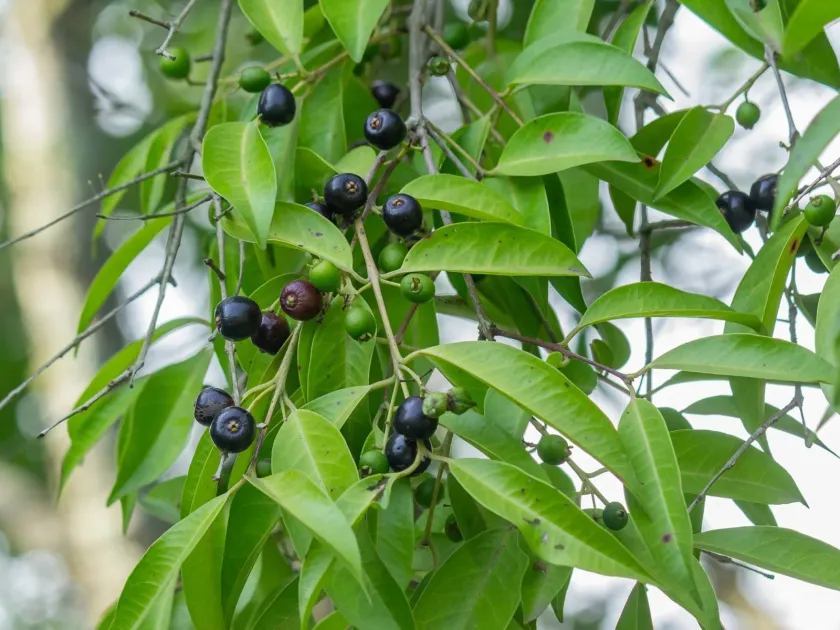
Description
Growing requirements
Eugenia florida is an evergreen woody species belonging to the Myrtaceae family. It is native to the tropical forests of Central and South America, where it thrives in conditions of high humidity and warm temperatures year-round.
The plant is highly sensitive to frost, which limits its commercial cultivation to tropical regions. It requires a stable climate without significant temperature fluctuations to support continuous vegetative growth and regular flowering phases.
Soil requirements for Eugenia florida include fertile, well-drained substrate. The plant performs best in slightly acidic soils. Waterlogging is detrimental to its root system, often leading to fungal infections, thus necessitating effective soil drainage in plantations.
While the tree can survive in partial shade in its natural habitat, commercial yields are significantly higher when the trees are exposed to full sunlight. Sufficient light intensity is essential for the development of dense crowns and healthy flower bud formation.
Regular maintenance practices, including the application of organic matter to the soil, help maintain the high nutrient levels required for optimal growth. Mulching is recommended to preserve soil moisture and regulate soil temperature in warmer seasons.
Yield
The primary agricultural use of Eugenia florida is the production of its fruits, which are consumed locally and valued for their unique aromatic profile. The fruit is typically processed into jams, beverages, and other food products common in tropical regions.
Yield efficiency is heavily dependent on effective pollination. Encouraging a diverse population of pollinators, such as native bees, is a critical management strategy for plantation owners aiming to maximize fruit production.
The wood of Eugenia florida is also a significant by-product, known for its high density and rot resistance. This makes it a preferred material for small-scale construction, tool handles, and local woodcraft in tropical areas where moisture is a constant challenge.
Current research in agronomy focuses on identifying cultivars with higher fruit weight and improved organoleptic properties. These improvements are crucial for scaling the production of this culture and expanding its presence in regional markets.
Pruning is a vital horticultural practice that facilitates the harvesting process and improves light penetration into the inner canopy. Well-maintained trees produce higher yields and show lower rates of pest infestation compared to unmanaged trees.
Main diseases and pests
Fungal diseases, particularly those affecting the foliage, are the most significant threat to the health of Eugenia florida. Conditions of stagnant air and excessive moisture provide the ideal environment for the spread of pathogens such as leaf spot and anthracnose.
Pests including scale insects and mealybugs can cause significant damage to young shoots and leaves. By consuming sap, these insects weaken the plant's natural defenses and often create residues that foster the growth of sooty mold.
Effective management involves an integrated approach combining periodic monitoring, pruning of affected areas, and the use of targeted biological controls. This strategy reduces the dependence on chemical intervention and promotes a healthier ecosystem within the plantation.
Maintaining adequate spacing between trees is essential to ensure proper airflow and light penetration, which are natural deterrents against many common diseases. Proper plantation layout is the first step in successful crop protection.
- Regular monitoring of canopy health
- Removal and destruction of infected pruning debris
- Application of bio-insecticides when necessary
- Strategic irrigation to avoid excessive ground moisture
- Promotion of natural predatory insect populations