
Amazon tree-grape
Pourouma cecropiifolia
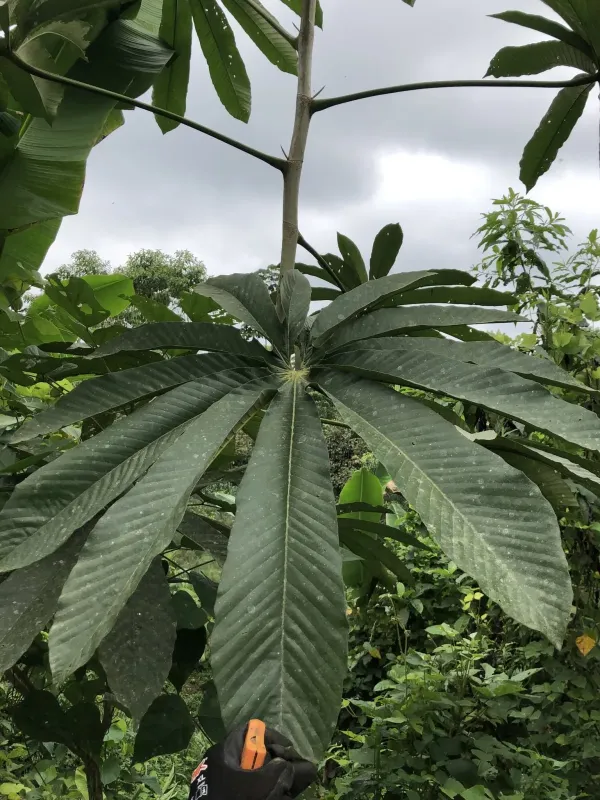
Description
Sowing dates
The propagation of Pourouma cecropiifolia, a member of the Urticaceae family, is primarily performed using seeds, which lose viability very quickly after extraction.
Sowing should take place immediately after harvesting the fruit, ideally at the onset of the rainy season to ensure sufficient moisture for seed germination.
Nursery substrates should be light, well-draining, and rich in organic matter, with temperatures maintained between 25–28°C to promote steady seedling growth.
Young plants are usually kept in nurseries for 6 to 8 months until a robust root system is established, after which they are transplanted to the field.
Vegetative propagation via cuttings is possible but less common due to the technical challenges associated with root induction in this specific tree species.
Growing requirements
As a native of tropical rainforests, this species requires high atmospheric humidity and consistent temperatures throughout the entire growing season.
The tree thrives in deep, fertile, and well-drained soils, showing a moderate tolerance for moisture but failing to survive in stagnant water or anaerobic soil conditions.
An ideal temperature range for growth is between 22–30°C, and the plant is strictly sensitive to frost, which can cause terminal damage or plant mortality.
While the tree benefits from full sun exposure as it matures, young saplings often require partial shade to protect them from excessive heat and direct radiation.
Proper wind protection is essential, as the large, palmate leaves and relatively brittle branches are prone to damage in high-wind conditions.
Yield
Pourouma cecropiifolia is noted for its relatively early fruiting, typically beginning production within three to four years after planting in favorable conditions.
The fruits develop in bunches that bear a striking resemblance to grapes, which led to the common name Amazon tree-grape or uva de monte.
A single mature tree can yield between 20 to 50 kilograms of fruit per season, depending on soil fertility, moisture availability, and overall plantation management.
The fruit is utilized locally for fresh consumption, as well as for making juices, jams, and traditional fermented beverages in its native Amazonian region.
- The pulp is translucent, sweet, and has a pleasant, mild flavor.
- Fruits are perishable and require careful handling post-harvest.
Main diseases and pests
The crop is susceptible to various fungal diseases, especially anthracnose, which often proliferates in humid environments and damages both leaves and fruit bunches.
Common pests include sap-sucking insects like aphids and scale insects, which weaken the plant and can serve as vectors for secondary infections.
Implementing a proper planting layout with sufficient spacing between trees is crucial for ensuring adequate airflow and reducing the risk of disease outbreaks.
Integrated pest management, including the use of neem oil and other biological controls, is highly recommended to maintain plant health without harsh chemicals.
Routine canopy management and sanitary pruning are vital to remove infected material and keep the tree’s vigor at an optimal level throughout its lifespan.
Harvesting
Harvesting requires manual labor as the fruits are extremely soft at maturity and can easily suffer from bruising during mechanical picking processes.
The entire bunch is usually harvested by clipping the stalk with pruning shears to preserve the integrity of the individual fruits for transport.
Timing the harvest is based on the skin color change, which shifts from light green to a deep, dark purple when the fruit reaches optimal sugar levels.
Given its short shelf life, the fruit should be marketed or processed immediately to maintain its quality and prevent rapid spoilage in high temperatures.
For commercial distribution, fruits should be packed in shallow, ventilated crates to avoid squashing and to promote cooling during the logistics process.