
Rusty Fig
Ficus microphylla
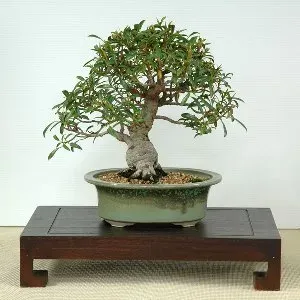
Description
Growing requirements
The Rusty Fig (Ficus microphylla) belongs to the Moraceae family. It is a robust evergreen tree species characterized by its large, spreading crown and its habit of producing aerial roots that support its significant biomass in its native habitats.
Native to Australia, this species thrives in tropical and subtropical climates. In an agricultural and horticultural context, it is cultivated primarily for its ornamental value in botanical gardens, large interiors, and landscaping projects within frost-free regions.
The cultivation requirements focus on well-draining, nutrient-rich soil. A substrate with a slightly acidic to neutral pH is optimal for healthy growth. Effective drainage is vital, as the species is intolerant of waterlogged soil conditions, which can lead to quick decline.
The plant demands bright, indirect light to maintain its vigorous growth and vibrant foliage. Exposure to harsh, direct sunlight may result in leaf scorch, while low light conditions contribute to sparse canopy development and internode elongation.
Temperature management is critical; the Rusty Fig prefers stable conditions between 18°C and 25°C. Protecting the plant from cold winds and sudden temperature drops is essential, as these factors typically trigger leaf abscission and overall plant stress.
Main diseases and pests
Root rot is the most significant disease threat for the Rusty Fig, usually caused by overwatering or poor soil structure. Proper irrigation scheduling is necessary to ensure the root system remains healthy and functional throughout the growing season.
Spider mites are common pests that thrive in dry indoor environments. They feed on the underside of leaves, causing yellowing and webbing. Maintaining higher humidity levels and frequent misting are effective cultural practices to discourage their proliferation.
Scale insects present a major issue, often attaching themselves to stems and leaf veins. These pests suck the plant's sap, weakening the tree significantly. Manual removal or the application of horticultural oils is required for effective management.
Thrips may also cause damage, resulting in distorted leaf growth and surface scarring. Integrated pest management, including the use of systemic insecticides, is often necessary when infestations are detected early in the growth phase.
Fungal leaf spot diseases may occur under conditions of poor air circulation and excessive humidity. Providing adequate space between plants and improving airflow within the growing area are standard preventative measures to ensure long-term plant vitality.