
Milicia regia
Milicia regia
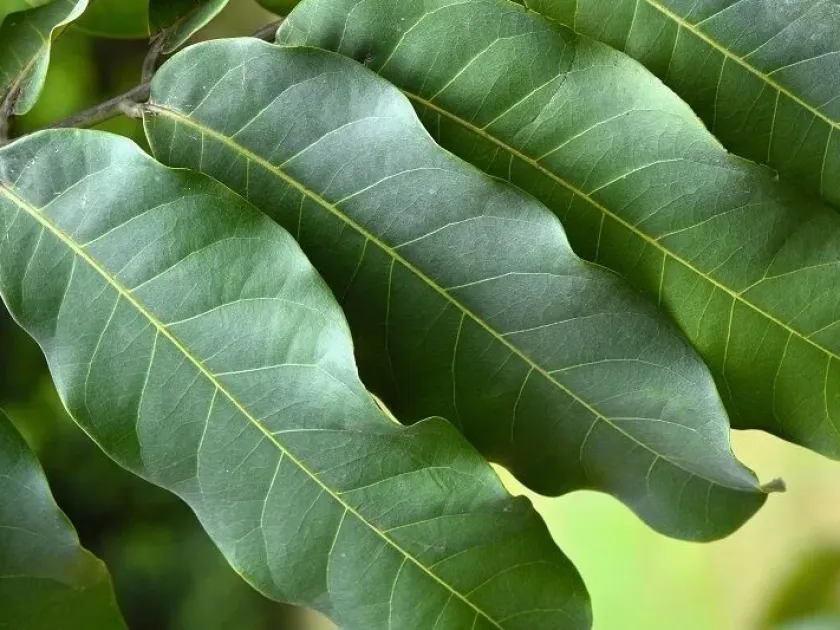
Description
Growing requirements
Milicia regia, commonly known as Iroko, is a majestic hardwood tree belonging to the Moraceae family. It is native to the tropical forests of West Africa, where it thrives in high-rainfall regions and warm temperatures. The tree is highly regarded for its biological resilience and the superior quality of its timber.
The cultivation of this species requires deep, well-drained soils with high fertility. Milicia regia is sensitive to waterlogging, so site selection must prioritize areas with effective natural drainage to prevent root rot and ensure healthy development of the tree's robust root system.
In terms of climate, the species requires a strictly tropical environment characterized by consistent warmth and humidity. It does not tolerate frost or extreme cold, which limits its commercial cultivation to suitable equatorial and tropical latitudes where conditions remain stable throughout the year.
Light requirements for Milicia regia change as the tree matures. While seedlings may benefit from partial shade in the early stages to reduce physiological stress, mature trees require full sunlight to achieve optimal growth rates and structural integrity.
Agrotechnical management focuses on maintaining soil quality and ensuring adequate space between trees. Proper spacing is essential to reduce intraspecific competition for nutrients and light, which ultimately dictates the overall health and vigor of the plantation.
Yield
The primary economic output of Milicia regia is the Iroko timber, one of the most commercially valuable woods in the world. It is highly valued for its durability, resistance to rot, and strength, making it an excellent alternative to teak for outdoor and marine applications.
Iroko wood is used in a wide range of industries, including furniture manufacturing, parquet flooring, boat building, and exterior joinery. Its ability to withstand harsh environmental conditions makes it a premium choice for high-end carpentry and architectural projects.
Yield estimation for Iroko plantations is based on the long-term production cycle, which typically spans several decades. Strategic planning and sustainable forest management are necessary to ensure a consistent and high-quality harvest of timber over the rotation period.
Beyond its timber, the tree provides edible fruits that serve as a source of nutrition for local populations. This dual-purpose utility enhances the value of Milicia regia in agroforestry systems, contributing to local food security and economic diversification.
Quality control during the growth phase involves regular pruning to produce straight, branch-free trunks. This practice significantly increases the percentage of prime-grade timber obtained at the time of harvesting, maximizing the economic yield of the plantation.
Main diseases and pests
The most devastating threat to Milicia regia plantations is the gall fly, Phytolyma lata. This pest targets the leaves and shoots of young trees, creating galls that stunt growth and can lead to the mortality of saplings if not properly managed.
Integrated Pest Management (IPM) is essential to combat the gall fly. This includes utilizing diverse planting schemes and avoiding large-scale monocultures, which can accelerate the spread of the insect and decrease the overall resilience of the stand.
Root fungal pathogens represent another significant risk, particularly in sites where soil drainage is inadequate. Regular monitoring of the soil moisture levels and early detection of wilting symptoms are critical steps for successful disease prevention.
Weed management during the initial growth years is vital for the survival of the species. Vigorous weeds can outcompete young Milicia trees for essential water and soil nutrients, necessitating consistent weeding or mulching to ensure the trees establish well.
Environmental stressors and human activities, such as illegal logging, remain constant challenges for the conservation of this species. Promoting sustainable forest management practices and protecting natural habitat zones are crucial for maintaining the future supply of Milicia regia.