
Chinese mulberry
Morus cathayana
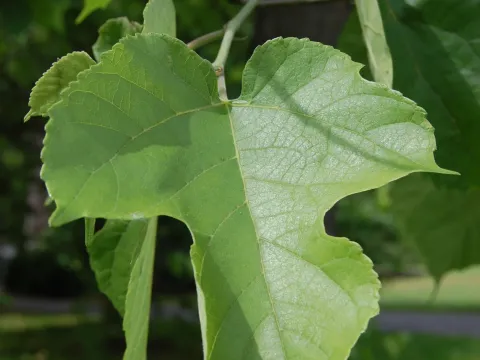
Chinese mulberry (Morus cathayana) is a deciduous tree species belonging to the Moraceae family, native to the central and eastern regions of China. It is highly valued for its vigorous growth habit and distinctively lobed foliage, which sets it apart from many other mulberry species found in cultivation.
What the section contains
Chinese mulberry
This species thrives in climates characterized by mild winters and long, warm growing seasons. It is quite adaptable to various environments but performs best when given full sun exposure, which is essential for both the development of the fruit and the overall structural integrity of the tree.
When selecting a planting site, it is crucial to ensure the soil is deep, well-drained, and rich in organic matter. While the tree can tolerate a variety of soil types, it performs poorly in compacted or waterlogged soils, which significantly increase the risk of root-related complications.
Agricultural management for this species involves periodic pruning to maintain a manageable size and shape, especially if grown in home orchards. Proper irrigation is necessary during the establishment phase, ensuring the root ball remains moist but not saturated, which supports steady growth during the first few years.
The economic and agricultural utility of Morus cathayana extends to food production, as its fruits are consumed fresh or processed into jams and wines. Furthermore, the leaves have historically played a vital role in sericulture, and the wood is sought after for its durability in small-scale carpentry and woodworking.
The most significant pathological threats to the species include fungal infections such as leaf spot and various forms of wood rot that occur when pruning wounds are not properly sealed. Maintaining tree health through balanced nutrition and sanitation helps prevent these occurrences.
Common insect pests include spider mites and various lepidopteran larvae that target the tender foliage during the mid-summer months. Integrated pest management strategies, focusing on biological controls and monitoring, are highly effective in maintaining the health and productivity of the trees.