
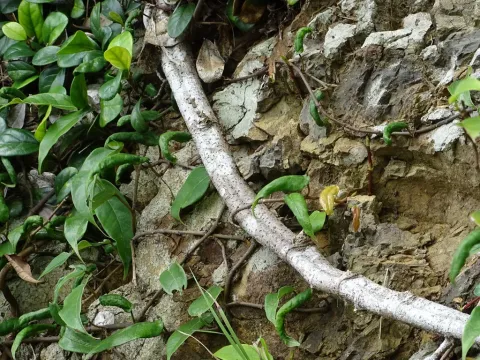
Ficus aurantiaca
Ficus aurantiaca
Ficus aurantiaca is a member of the Moraceae family, known for its distinct botanical characteristics as a hemi-epiphytic woody vine. It is native to the tropical forests of Southeast Asia, where it thrives in humid and stable environments.
What the section contains
Ficus aurantiaca
This species requires specific environmental conditions to reach its full growth potential. It favors temperatures consistently between 22 and 28 degrees Celsius, and it is highly susceptible to chilling injury if temperatures drop below critical thresholds.
Soil requirements for this crop include a well-draining, nutrient-rich potting medium. A mixture of peat, perlite, and pine bark is often recommended to maintain adequate aeration while retaining sufficient moisture for the root system.
Light management is crucial for the healthy development of Ficus aurantiaca. As an understory plant in its natural habitat, it performs best under bright, indirect light conditions, which prevents leaf scorching and maintains optimal photosynthetic efficiency.
Agricultural practices involve regular maintenance of high relative humidity levels, ideally above 70%. Irrigation should be consistent, ensuring the substrate remains moist but not waterlogged, as excessive water contributes to root suffocation.
The primary pests affecting Ficus aurantiaca include spider mites, scale insects, and mealybugs. These organisms thrive in dry air conditions and can cause significant foliage damage if left unchecked by the grower.
Fungal pathogens such as Phytophthora and various types of leaf spot fungi are significant threats in high-humidity cultivation systems. These pathogens usually emerge when airflow is restricted and moisture accumulates on leaf surfaces.
Disease management requires a balanced strategy of sanitation and fungicide application. Regularly removing debris from the growing area helps reduce the inoculum levels of harmful fungi and bacteria within the greenhouse.
Integrated pest management (IPM) practices are highly effective for this crop. Introducing predatory mites or using horticultural oils can manage pest populations effectively while minimizing the use of synthetic chemical pesticides.
Growers should monitor for signs of chlorosis, which can indicate nutrient deficiency or water imbalance. Addressing these physiological stress factors promptly will prevent secondary infections from opportunistic pathogens that exploit weakened plant tissues.