
Bloodwood tree
Brosimum rubescens Taub.
Description
Growing requirements
Brosimum rubescens, commonly referred to as the bloodwood tree, is a prominent member of the Moraceae family. Native to the lush tropical regions of Central and South America, it stands as a vital species in local biodiversity and the timber industry.
The tree requires a humid, tropical climate to thrive, characterized by constant high temperatures and consistent rainfall throughout the year. It does not possess any frost tolerance, making it suitable only for specific equatorial zones.
Soil requirements involve well-draining, nutrient-rich substrates that can support the tree's slow but steady vertical development. Proper aeration of the root system is essential to prevent physiological stress caused by waterlogging.
Agricultural management is challenging due to the tree's slow growth rate. Saplings require protection from direct sunlight, while mature trees demonstrate a higher tolerance for environmental conditions, provided they are not stressed by drought.
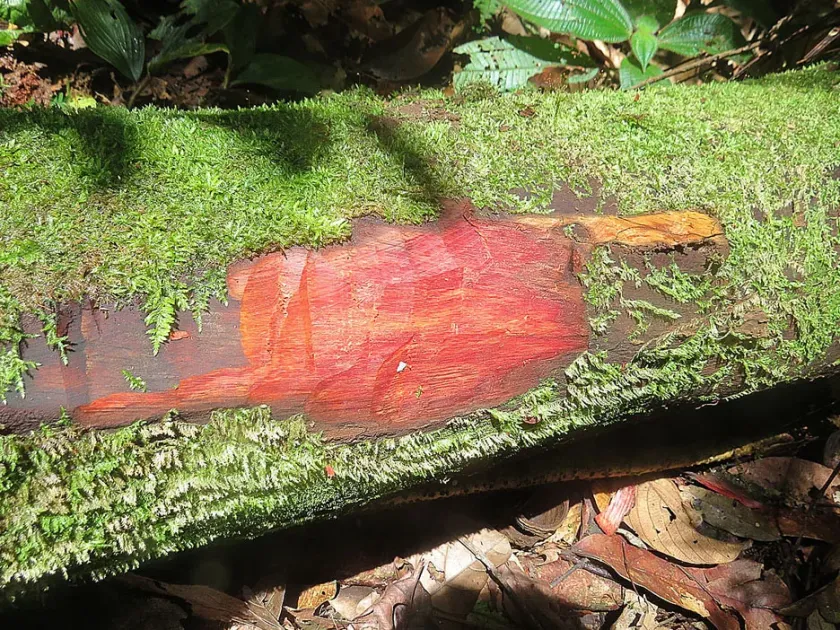
The wood harvested from Brosimum rubescens is world-renowned for its deep red coloration and high density. It is highly sought after by craftsmen for the production of luxury furniture, musical instruments, and decorative veneers.
Main diseases and pests
Fungal pathogens pose a significant threat to the tree, particularly when humidity levels remain excessive and air circulation within the canopy is insufficient. This can lead to heartwood decay that ruins the quality of the timber.
Insects such as termites and various borers represent the primary pest challenge. These pests can rapidly compromise the integrity of the trunk, leading to severe economic losses in forestry operations.
Seedlings are particularly vulnerable to weed competition and herbivore damage in their early stages. Effective forest management necessitates intensive site preparation and regular monitoring to ensure successful establishment.
Deforestation and habitat fragmentation significantly endanger wild populations of Brosimum rubescens. Sustainable harvesting practices are being developed to preserve this valuable resource for future generations.
Integrated pest management strategies are crucial for large-scale production, focusing on maintaining tree vigor and environmental sanitation to reduce the risk of infestation and disease outbreaks.