
Brosimum glaziovii
Brosimum glaziovii
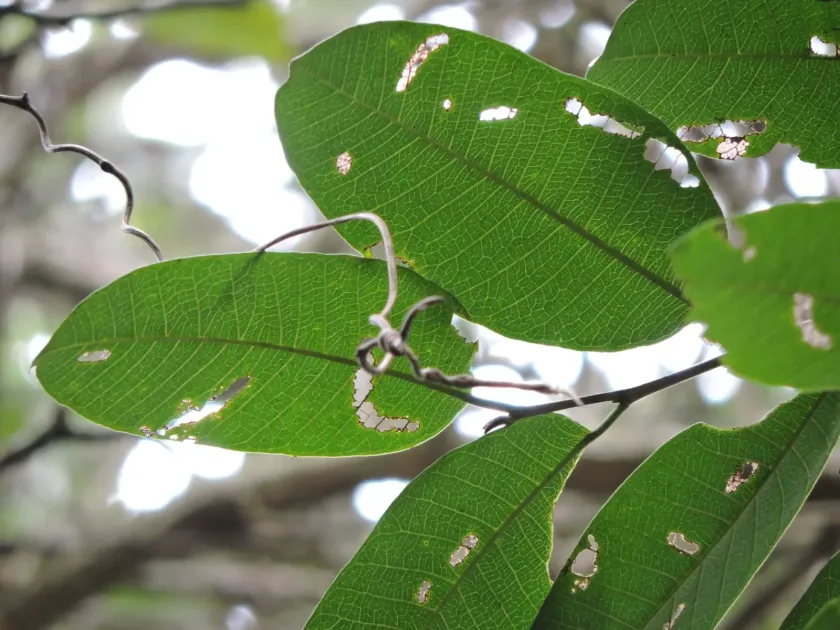
Description
Sowing dates
The sowing of Brosimum glaziovii requires specific conditions as the seeds are recalcitrant and have a very short lifespan. It is essential to sow the seeds immediately after extraction from the fruit to ensure high germination rates within a controlled nursery environment.
A well-draining substrate composed of peat, coarse sand, and organic compost provides the ideal medium for root development. Seeds are typically planted at a shallow depth of approximately 2 centimeters to allow for adequate oxygen exposure during the germination phase.
Consistency in soil temperature, ideally between 26 and 28 degrees Celsius, is vital for the activation of embryo development. Growers often use heating mats to maintain this stable environment, as fluctuations can lead to significant delays in emergence.
Regular misting or covering the seed trays with a clear material helps maintain the necessary humidity. Once the first pair of true leaves is fully developed, the seedlings should be hardened off by gradually increasing exposure to natural light and airflow.
Transplanting into individual containers should be done carefully to avoid root entanglement. Using biodegradable pots is highly recommended to minimize transplant shock when moving the young plants to their final location in the nursery or field.
Growing requirements
Brosimum glaziovii belongs to the Moraceae family and thrives in tropical climates characterized by high rainfall and warm temperatures. The plant requires a location with protection from strong, drying winds which can cause excessive transpiration and leaf dehydration.
The soil should be deep, fertile, and possess excellent drainage to prevent root rot. This species prefers a slightly acidic to neutral soil profile, as extreme pH levels often limit the bioavailability of essential nutrients like iron and magnesium.
High relative humidity is essential for the vegetative growth of this species. In areas where natural humidity is low, irrigation systems that provide overhead misting or high-frequency soil watering are necessary to support the physiological needs of the tree.
While the tree enjoys high light intensity, young plants should be kept under partial shade to prevent thermal stress. Mature trees are more resilient and can utilize full sun to optimize the photosynthetic output required for flowering and fruiting.
Regular application of balanced fertilizers during the growing season supports structural integrity and fruit set. Mulching with organic matter is also beneficial as it improves soil structure, regulates temperature, and helps retain soil moisture during short dry spells.
Main diseases and pests
The primary threats to Brosimum glaziovii include various fungal diseases that thrive in high-humidity tropical environments. Root rot caused by pathogens such as Phytophthora is a significant risk if the soil drainage is inadequate or if the tree is over-watered.
Pests such as scale insects and mealybugs frequently colonize the foliage and tender stems. These sap-sucking insects can weaken the plant and serve as vectors for secondary viral infections, necessitating regular monitoring and integrated pest management strategies.
Defoliating caterpillars can also cause significant damage during the early stages of growth, stripping the leaves and slowing down the tree's development. Biological control methods, such as introducing beneficial predatory insects, are preferred over chemical interventions.
Leaf spot diseases, characterized by chlorotic or necrotic lesions, can occur if the canopy density is too high and air circulation is poor. Proper pruning techniques are essential to maintain an open canopy structure, allowing light and air to reach the inner branches.
Nematodes residing in the soil may affect the root system, particularly in sandy soil types. Maintaining soil health through the addition of organic matter and crop rotation or companion planting can help mitigate the pressure from soil-borne pests and diseases.
Harvesting
Harvesting Brosimum glaziovii requires a strategic approach, as the fruit quality is highly dependent on picking at the exact peak of maturity. Field staff must monitor the color change and the softening of the fruit texture, which indicates that the sugar levels are optimal.
Because the fruit is delicate, hand-picking is the only viable method to prevent bruising. Workers should use gloves and specialized containers to handle the produce gently, ensuring that no stacking occurs during transport from the field to the packing facility.
Post-harvest handling is critical for extending the shelf life of the fruit. Immediate cooling to approximately 10–12 degrees Celsius helps reduce the rate of senescence, although the fruit remains highly perishable and must be processed or sold within a few days.
The harvest season is often spread over several weeks, requiring multiple passes through the orchard to collect fruits individually as they ripen. This labor-intensive process is justified by the market value of the harvested produce.
Proper record-keeping during the harvest allows for the tracking of tree productivity and the effectiveness of previous management practices. Identifying high-yielding, disease-resistant trees during the harvest period is also essential for future propagation and breeding programs.