
Swietenia
Swietenia
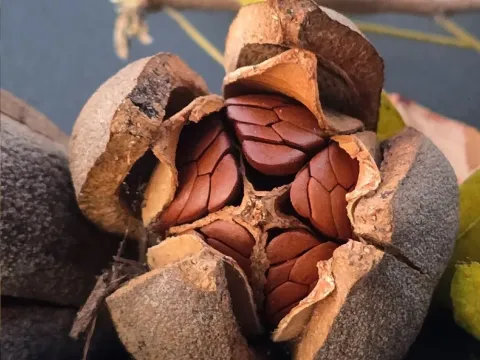
Swietenia, a member of the Meliaceae family, is a valuable timber tree species native to the tropical regions of the Americas. In agricultural forestry, it is primarily propagated from seeds collected from mature capsules.
What the section contains


Swietenia
Seed germination requires fresh seeds, as they lose viability rapidly if not stored correctly under low temperatures. Sowing is typically done in nurseries using seedling containers to facilitate root development.
Substrate in nurseries should be well-draining, consisting of peat, sand, and organic matter to promote strong root systems. Seedlings remain in nurseries for several months until they are robust enough for field transplanting.
Plantation layout involves spacing that balances individual tree growth with canopy development. High-density planting is sometimes used to encourage upward growth before thinning operations begin.
Post-planting care includes weed management and protecting young saplings from extreme heat, ensuring they are well-established within the first two growing seasons.
Swietenia thrives in tropical environments with consistent temperatures between 22 and 30 degrees Celsius. It is highly intolerant of frost, which restricts its range to tropical latitudes.
The tree requires well-drained, deep, and fertile soils. It is particularly sensitive to waterlogging, which can cause root rot, so careful site selection is paramount for long-term survival.
Rainfall requirements are significant, ideally between 1500 and 3000 mm annually. While the tree can withstand short dry seasons, consistent water availability is necessary for optimal growth.
Light intensity is critical for the tree, which is a shade-intolerant species in its adult stage. However, shade during early growth stages helps prevent stem damage from excessive sunlight.
Optimal site selection often involves lower altitudes, where the climate remains warm throughout the year and soil nutrients are maintained by natural tropical cycles.
The primary biological threat to Swietenia plantations is the mahogany shoot borer, Hypsipyla grandella. Larvae of this moth tunnel into the leading shoots, causing branch deformity.
Such damage effectively stops vertical growth, leading to bushy trees with little timber value. Integrated pest management (IPM) is essential to minimize the impact of this specific pest.
Root rot, primarily caused by fungal pathogens in waterlogged soils, can devastate entire stands. Proper site drainage is the most effective preventative measure against these soil-borne threats.
Defoliating insects and wood borers may occasionally attack trees under stress. Maintaining overall plantation health through proper nutrient management significantly increases resistance.
Intercropping with other tree species can sometimes disrupt the host-finding ability of the shoot borer, serving as an effective ecological control method for plantations.
Swietenia is harvested for its highly prized timber, known as mahogany. The rotation period for technical maturity is long, typically spanning 40 to 60 years depending on the site quality.
Harvesting involves selective logging or clear-cutting followed by reforestation efforts. The process must follow sustainable forestry standards to prevent long-term soil degradation.
Once harvested, the logs require careful drying to manage moisture content. Proper air-drying or kiln-drying ensures the wood does not warp or crack, preserving its high value.
Mahogany is valued for its rich color, density, and ease of working. It remains one of the most desirable materials for high-end furniture, cabinetry, and boat building.
Sustainable plantation management allows for a continuous supply of mahogany, balancing the high global demand with the ecological need to protect tropical forest resources.