
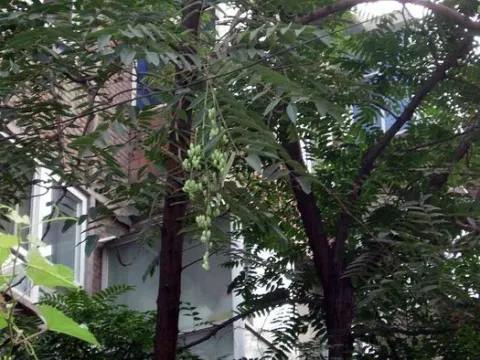
Toona
Toona
Sowing Toona seeds typically begins in spring when the soil temperature is warm enough to promote germination. Pre-soaking or stratification of seeds is often recommended to increase overall success rates.
What the section contains


Toona
Using light, well-draining soil mixes is essential for seedlings in nursery conditions. Seeds should be planted at a shallow depth and maintained with consistent moisture until they emerge.
Seedlings usually stay in the nursery for one to two years before being transplanted. Providing adequate sunlight is crucial for healthy development, although protection from direct scorching sun is beneficial in the very early stages.
When transplanting into the field, proper spacing is necessary to accommodate the tree's growth and canopy development. Strategic spacing helps ensure sufficient airflow and light penetration for every tree.
Controlling weeds during the establishment phase is vital to prevent competition for nutrients. Mulching the base of the trees helps maintain soil moisture and reduces the need for manual weeding.
Toona is a genus of fast-growing deciduous trees within the Meliaceae family. Originating from tropical and subtropical regions of Asia and Australia, these trees thrive in warmer climates.
The trees require deep, fertile, and well-drained soils to reach their full potential. Waterlogged conditions are detrimental and can lead to root failure, making drainage a primary consideration for site selection.
Climate preferences include areas with mild winters and adequate rainfall during the growing season. While mature trees may tolerate some cold, young specimens are susceptible to frost damage.
Toona prefers full sun exposure but benefits from some shade in its juvenile stage. High ambient humidity is generally favorable for rapid growth and optimal wood development.
Proper site preparation, including shelterbelts, can protect young trees from strong winds. Consistent monitoring of soil health is important to maintain the vigor of the plantation over time.
The primary economic value of Toona lies in its production of high-quality timber, often marketed as Indian mahogany. The wood is highly sought after for its durability, lightweight nature, and resistance to pests.
Toona is characterized by a rapid growth rate, making it an excellent candidate for timber plantations. Shorter rotation cycles compared to other hardwoods make it a commercially attractive option.
Beyond timber, various parts of the tree, including bark and leaves, contain aromatic compounds used in the fragrance and essential oil industries. Some species also have historical uses in traditional medicine.
The tree exhibits good regenerative capacity, which supports sustainable forestry practices. Organic matter from leaf litter contributes to long-term soil fertility within the plantation.
Productivity is measured by the volume of commercial timber generated per hectare. Effective plantation management can significantly increase the final yield and financial return.
Leaf-feeding insects are among the most common threats to Toona plantations. Infestations can damage buds and foliage, resulting in stunted growth and distorted stem development.
Root rot caused by fungal pathogens remains a significant risk in poorly drained sites. Excess moisture promotes these diseases, which can weaken the tree structure and reduce growth vigor.
Nematodes may pose a threat to young seedlings in nursery beds. Implementing proper soil sanitation and rotation practices is key to preventing these soil-borne issues.
Large mammals and rodents often cause physical damage by stripping bark from young trunks. Protective fencing and physical barriers are necessary measures for safeguarding young trees from wildlife.
Ongoing monitoring of plantation health is essential for early detection of potential outbreaks. Prompt removal of infected wood or damaged branches helps contain the spread of pests and diseases.