
Soymida
Soymida
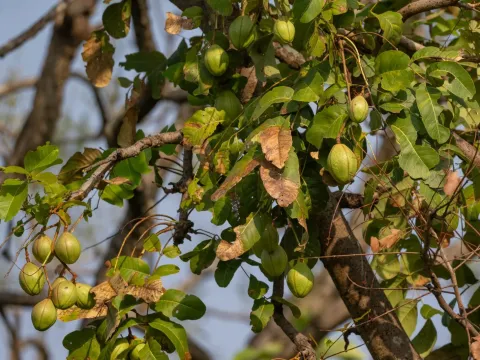
Soymida (Soymida febrifuga) is a deciduous tree species belonging to the Meliaceae family. It is native to the dry tropical forests of the Indian subcontinent, thriving in varied landscapes ranging from hills to plains.
What the section contains

Soymida
The plant is highly drought-tolerant, which makes it well-suited for regions with distinct dry seasons. It prefers well-drained, porous soils and flourishes in areas with plenty of sunlight and high ambient temperatures.
Botanically, it is characterized by its large size, rough and fissured grey-brown bark, and pinnately compound leaves. These features allow the tree to maximize resource efficiency in harsh environments.
Cultivation requires minimal intervention once the tree is established, provided it is planted in conditions that mirror its natural habitat. The wood is exceptionally hard, durable, and valued for high-quality carpentry.
Beyond its timber value, the bark is a significant commodity in traditional medicine. It is famously known for its potent febrifuge (fever-reducing) properties, which explains the specific epithet febrifuga.
Soymida trees face various threats including infestations by wood-boring beetles and leaf-eating insects that can hamper the growth of younger specimens.
Fungal pathogens may cause bark rot or leaf spotting, particularly in regions where seasonal rains are uncharacteristically heavy, leading to waterlogged soil conditions.
Overharvesting of bark for medicinal purposes is a major anthropogenic threat, as stripping too much bark can lead to dehydration and the eventual death of the tree.
Poor management of forest stands can lead to the proliferation of invasive plants that compete for nutrients and sunlight, hindering the natural regeneration of the species.
Effective forest management strategies should focus on sustainable harvesting cycles and monitoring the health of mature trees to prevent large-scale disease outbreaks.