
Big-leaf mahogany
Swietenia macrophylla King
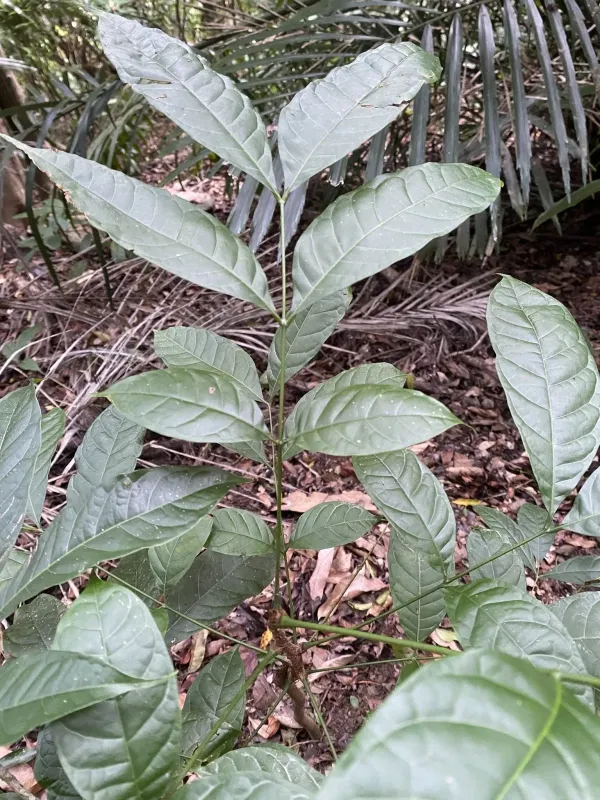
Description
Sowing dates
Swietenia macrophylla, belonging to the Meliaceae family, is propagated primarily through seeds. In nursery conditions, seeds are sown immediately after collection, as their viability decreases rapidly due to high oil content and susceptibility to desiccation.
To improve germination uniformity, seeds are often soaked in water for several hours. The ideal sowing period coincides with the beginning of the rainy season, ensuring that young seedlings have sufficient moisture to establish a strong root system before the dry season arrives.
Using high-quality potting containers with well-drained substrate is essential for healthy development. Seedlings are typically kept in nurseries until they reach a height of 30–50 cm, ensuring they are robust enough to withstand field conditions.
Proper spacing during transplantation is crucial for future development. Depending on the management intensity, planting density may vary to encourage either rapid diameter growth or clear, straight stems, which are highly valued in the timber market.
Seed quality control and precise planting depth are the foundations of successful plantation establishment. Excessive burial of seeds can lead to rotting, so shallow planting is generally recommended in moist tropical soils.
Growing requirements
As a classic tropical species, big-leaf mahogany requires stable, warm temperatures throughout the year, ideally ranging between 22 and 30 degrees Celsius. It is not cold-hardy and will suffer stunted growth if exposed to low temperatures.
Deep, fertile, and well-drained soils are necessary for this species to thrive. It is highly sensitive to waterlogging; therefore, slope planting or soil modification is often required in flat, heavy-clay environments to ensure proper drainage.
The tree prefers areas with significant annual rainfall, although it shows resilience to moderate drought once the tree is fully established. During the initial growth phase, consistent moisture management is vital for survival and vigor.
Light management is a critical aspect of silviculture. While mature trees prefer full sunlight, young saplings often require partial shade to protect them from heat stress and sunscald, mimicking the natural gaps of a tropical forest.
Regular fertilization and mulching around the base of young trees help maintain soil nutrient levels and suppress invasive weeds. Sustaining a clean weed-free radius around the tree trunk significantly boosts the annual growth rate.
Main diseases and pests
The shoot borer (Hypsipyla grandella) is the most significant biological threat to mahogany plantations. Its larvae tunnel into the terminal shoot, causing the tree to lose its primary leader, which results in forked or stunted stems.
Fungal diseases, including leaf spots and root rots, can occur in poorly ventilated or excessively humid conditions. Implementing strict nursery hygiene and maintaining proper stand density helps mitigate the risk of spreading such infections.
Invasive weeds and aggressive grasses compete fiercely for soil nutrients and sunlight during the first few years. Regular clearing of the plantation aisles is an essential operational task to ensure the mahogany saplings remain dominant.
Vertebrate pests, such as rodents, may damage the tender bark of young trees. Protective mechanical barriers or individual tree guards are often employed in young plantations to prevent ring-barking and physical damage.
Integrated pest management protocols, including regular visual monitoring of the canopy and shoots, are essential. Early intervention can prevent large-scale infestation and preserve the structural integrity of the timber-producing stem.
Harvesting
Swietenia macrophylla is primarily grown for its world-renowned, high-value timber, known as mahogany. Harvesting cycles typically span 30 to 60 years, depending on site quality and the silvicultural management system applied.
The wood is prized for its excellent workability, durability, and deep reddish-brown color, which develops a rich patina over time. It is a premium material used for luxury furniture, musical instruments, and fine interior craftsmanship.
Sustainable harvesting techniques, such as selective thinning and targeted felling, are favored to maintain forest structure and allow for natural regeneration. This minimizes environmental impact while maximizing economic return.
Post-harvest processing involves careful kiln drying to stabilize the wood. This process is critical to preventing checking and warping, ensuring the wood meets international quality standards for export and manufacturing.
Beyond timber production, the species plays a valuable role in agroforestry systems. It is often intercropped with shade-loving species like coffee or cacao, providing long-term economic security through timber harvests while diversifying land use.