
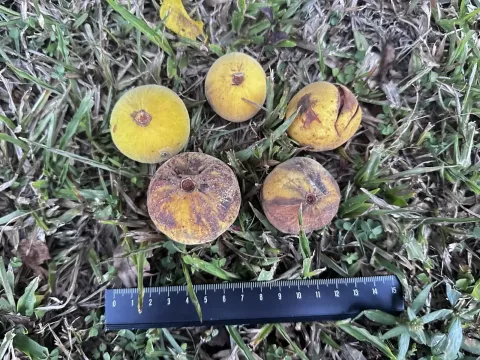
Santol
Sandoricum
Santol, scientifically known as Sandoricum koetjape, is a member of the Meliaceae family. It is a robust tropical evergreen or semi-deciduous tree that can reach heights of up to 30 meters.
What the section contains

Santol
This crop thrives in hot and humid tropical climates. It requires deep, fertile, and well-drained loamy soils rich in organic matter to achieve optimal growth rates.
The plant is highly sensitive to cold and cannot survive frost. The ideal temperature range for its development is between +22°C and +32°C, with stable humidity levels throughout the year.
While the tree shows some tolerance to dry spells once fully established, consistent irrigation is necessary during the flowering and fruit-setting stages to ensure yield.
Plantations should be established in full sunlight, with windbreaks installed to protect the wide canopy from strong winds that could cause structural damage.
The primary economic value of the santol tree lies in its fruits, which have a rounded shape and a velvet-like skin. Mature trees are capable of producing 150 to 250 kg of fruit per season.
The inner flesh can be sweet or sour depending on the variety. The fruit is consumed fresh, often with salt or spices, and is also processed into jams, marmalades, and syrups.
The timber of the santol tree is highly regarded for its versatility. It is durable, easy to carve and polish, making it popular for furniture production and interior construction.
Various parts of the tree, including the bark and leaves, are utilized in traditional medicine for their therapeutic properties and antimicrobial compounds.
Ongoing agricultural research focuses on selecting varieties with better pulp-to-seed ratios and higher resilience against common physiological disorders of the fruit.
The major threats to santol plantations include various fungal diseases that thrive in high humidity and stagnant air conditions within the tree canopy.
Pests such as lepidopteran larvae and wood-boring beetles can cause significant damage to the trunk, branches, and developing fruits if not properly managed.
Integrated Pest Management (IPM) practices, including proper spacing and canopy thinning, are essential to maintain good air circulation and light penetration.
Biological control agents and targeted fungicides are recommended to manage outbreaks of powdery mildew and leaf spot diseases that affect productivity.
Regular inspections and the prompt removal of infected plant material are standard protocols to prevent the spread of localized disease clusters throughout the orchard.
Harvesting santol requires careful handling to prevent bruising. Fruits are typically harvested manually using poles to avoid damaging the delicate skin and flesh.
Maturity is indicated by a change in skin color from green to a golden-yellow or brownish hue. Harvesting must be timed precisely, as overripe fruits quickly lose quality.
Post-harvest handling involves sorting the fruit by size and quality and placing them into sturdy containers to prevent mechanical pressure during transport.
Because the sugar content does not increase significantly after harvest, picking the fruit at the correct stage of maturity is critical for consumer satisfaction.
Fresh fruit has a short shelf life, typically lasting only a few days at ambient temperatures, necessitating the use of cold storage for supply chain management.