
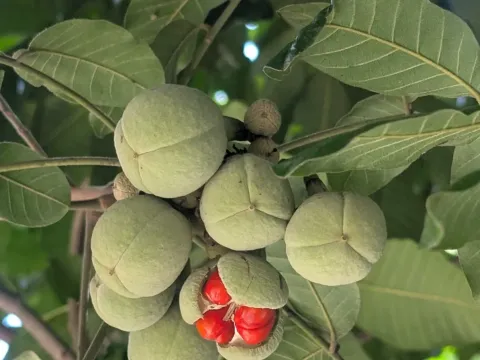
Trichilia
Trichilia
Trichilia is a genus of tropical trees and shrubs belonging to the Meliaceae family. Propagation is primarily achieved through seeds, which must be sown shortly after harvesting because they quickly lose their viability due to high oil content.
What the section contains

Trichilia
The optimal sowing time aligns with the onset of the rainy season to ensure natural moisture for germination. Seeds should be extracted from the capsules, cleaned, and sown in a well-drained medium rich in organic matter.
Placing seeds at a depth of 1–2 cm is recommended for uniform emergence. A temperature range between 25°C and 30°C is ideal for stimulating the germination process, which typically occurs within two to four weeks.
Seedlings are kept in nursery conditions until they reach a height of approximately 40–50 cm. During this period, gradual exposure to sunlight is necessary to harden the plants before they are transplanted into the field.
When establishing a plantation, careful spacing is required to ensure long-term productivity. Depending on the intended use—timber or seed production—the spacing may vary from 3 to 6 meters between individual trees.
As a tropical species, Trichilia is highly sensitive to cold and frost. It requires a stable, warm environment with mean annual temperatures preferably above 20°C to thrive throughout the year.
The ideal soil for Trichilia is deep, fertile, and well-drained. While the plant can adapt to various soil types, it performs best in soils with high organic content and slightly acidic to neutral pH levels.
Sufficient light is essential for canopy development and fruiting, although young plants benefit from partial shade. Mature trees are capable of growing in full sun provided that soil moisture is kept constant.
Consistent rainfall or supplemental irrigation is required for optimal growth. Prolonged drought periods can induce leaf shedding and significantly hinder fruit production, which is a key economic trait.
Maintenance involves routine weeding around the base of the trees to prevent competition for nutrients. Periodic fertilization with balanced NPK formulas significantly improves growth rates during the first few years after planting.
Trichilia is economically valued for its oil-rich seeds and high-quality timber. Some species, such as Trichilia emetica, are specifically cultivated for the extraction of seed oil used in the cosmetics industry.
Fruiting typically begins once the tree is 5–8 years old. The harvest of the seeds must be timed carefully as the fruit capsules ripen; delayed harvesting often results in seed loss due to the pods splitting open prematurely.
The yield of seeds per tree can be substantial in mature specimens, often ranging from 10 to 30 kg depending on the species and environmental conditions. Proper post-harvest drying is critical to maintaining oil quality.
The wood produced by the genus is durable and possesses fine texture, making it suitable for local construction and high-quality cabinetry. Sustainable harvesting practices are essential to balance timber extraction with tree longevity.
Research into selecting high-oil-yielding phenotypes is ongoing. Such efforts aim to increase the economic viability of Trichilia plantations in regions where the crop has historically been underutilized.
Root rot is the most serious threat, particularly in poorly drained soils. Fungal pathogens thrive in waterlogged conditions, making it crucial to ensure that the site for cultivation has effective natural or artificial drainage.
Leaf-eating insects and scale insects can cause significant damage to the canopy. Regular monitoring allows for early intervention, often avoiding the need for heavy pesticide usage by employing biological controls.
Fungal leaf spots can occur during periods of extreme humidity. Maintaining appropriate distance between trees to promote air circulation is a primary cultural practice to mitigate the spread of such infections.
Sanitation is a key component of disease management. Removing and destroying infected plant parts prevents the buildup of pathogen populations that could threaten the entire plantation.
Environmental stress, such as extended moisture deficiency or soil nutrient imbalance, acts as a precursor to most health issues. Maintaining optimal soil fertility and water availability serves as the best preventive measure against pests and diseases.