
Cabralea canjerana
Cabralea canjerana
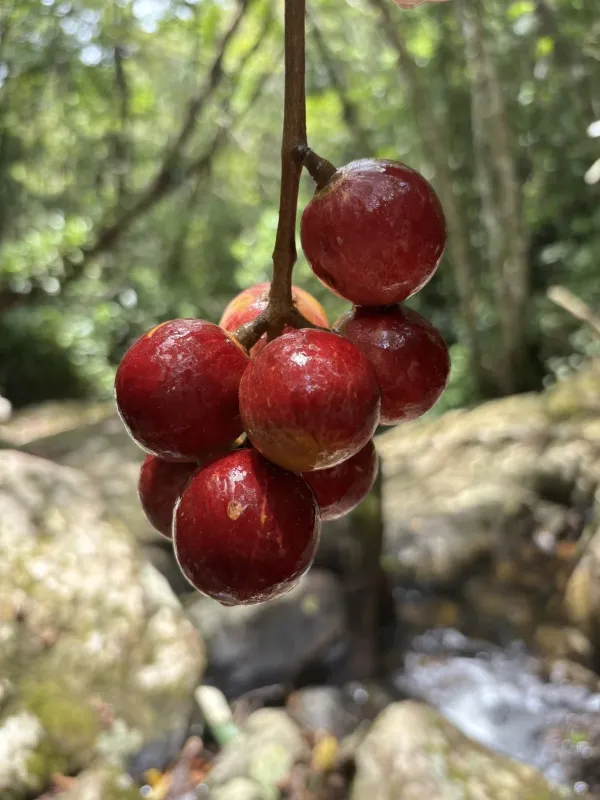
Description
Sowing dates
Propagation of Cabralea canjerana is primarily achieved through seeds, which lose viability very quickly after collection. The optimal sowing time begins immediately after the fruit matures to prevent the embryo from drying out.
To accelerate germination, seeds should be cleaned of their pulp and sown in specialized nurseries with well-drained substrate. It is crucial to maintain consistent moisture throughout the germination period, which typically lasts from two to four weeks.
Seedlings are transplanted into containers when they reach a height of 15-20 cm and are grown until they are robust enough for field planting. This practice minimizes transplant shock and ensures a high survival rate for young trees in forest stands.
Direct field sowing is rarely practiced due to the high vulnerability of seedlings to weeds and competition during their early months. The recommended planting density in plantations is at least 3x3 meters to provide enough space for crown development.
For a successful start, it is essential to provide regular watering during the first year of the tree's life until a strong root system is established. Agronomists must note that this culture is sensitive to light deficiency during the initial stages of development.
Growing requirements
Cabralea canjerana belongs to the Meliaceae family and is a tropical tree requiring specific conditions for active growth. It prefers regions with a humid climate where annual rainfall exceeds 1200 mm, without extreme seasonal fluctuations.
The culture has high requirements for soil quality: it develops best in deep, fertile, well-drained loams or alluvial deposits. The plant does not tolerate waterlogging, which often leads to root rot diseases.
Optimal temperature conditions for this species range from +20°C to +30°C, and the tree cannot tolerate even short-term frost. In regions with a pronounced dry season, artificial irrigation for plantations is necessary.
Regarding light, young specimens are shade-tolerant, but as they mature, Cabralea requires intense sunlight for full trunk development and biomass accumulation. The planting site should be protected from strong winds that can damage fragile shoots.
An important success factor is the presence of specific soil microbiota that promotes the development of symbiotic relationships in the tree's rhizosphere. On depleted soils, the application of complex mineral fertilizers is required, especially during the first three years.
Yield
The primary economic value of the culture is its timber, the yield of which is determined by plantation management intensity and planting density. In optimal conditions, the tree reaches a height of 20-30 meters with a trunk diameter of 60-80 centimeters.
The maturity period for the timber ranges from 30 to 50 years, depending on the climatic zone and forestry practices. Uniform trunk growth is ensured by periodic thinning of the plantation, which allows resources to be allocated to the most promising trees.
Cabralea timber is valued as a high-quality material with a reddish hue and a distinct texture reminiscent of cedar. It is widely used in high-end furniture manufacturing, joinery, interior design, and musical instrument production.
Beyond timber production, the plant is used in medicine and pharmacology due to bioactive compounds in its bark and leaves that possess anti-inflammatory properties. The tree also plays a role in the restoration of forest ecosystems.
Economic efficiency is closely linked to long-term planning, as the species is not fast-growing. Investments in planting are recovered through high market demand for premium-grade forest products on international markets.
Main diseases and pests
Common pests for Cabralea include lepidopteran insects, whose larvae damage young leaves and shoots, slowing seedling growth. Both biological control methods and systemic insecticides are used to manage massive infestations.
Fungal diseases, such as Fusarium and various leaf spots, often occur in conditions of excessive humidity and poor aeration within plantings. Timely removal of affected plant parts and crown thinning help reduce the risk of epiphytotics.
Borer insects represent a serious threat, as they penetrate the trunk and degrade the quality of the timber. Prevention involves maintaining general plantation health through balanced nutrition and proper light exposure management.
The plant may be susceptible to root rot caused by pathogenic fungi during periods of waterlogged soil. Therefore, creating a reliable drainage system at the site is of paramount importance when establishing a plantation.
Quarantine measures must be followed when importing planting material from other regions to prevent the spread of diseases. Continuous monitoring of tree health allows for early detection of threats and minimizes economic losses.
Harvesting
Timber harvesting is conducted using professional equipment that ensures minimal damage to neighboring trees. Felling is carried out strictly after the trees have reached the planned trunk diameter.
The felling process requires safety compliance and correct distribution of forces to preserve the integrity of the valuable trunk. After felling, the tree is cleared of branches, which can be processed into wood chips or fertilizers.
Transportation of harvested material is carried out promptly to prevent end cracking and damage from wood-boring insects. Particular attention is paid to the proper drying of raw material under sheds to ensure uniform moisture evaporation.
Plantations typically use selective harvesting methods, which allow for continuous forest management cycles without the need to replant the entire area. This contributes to the preservation of soil structure and biodiversity.
Seed collection for future planting requires manual labor, as fruits ripen unevenly. Seeds are collected directly from the trees when the fruit begins to change color to ensure maximum germination rate.