
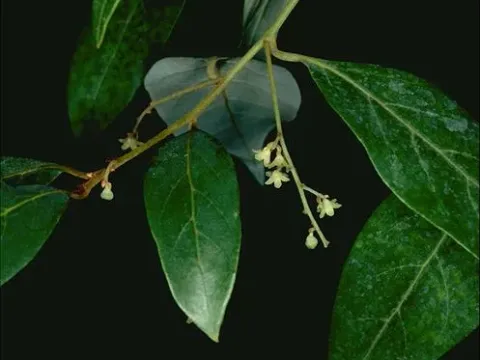
Endiandra glauca
Endiandra glauca
Propagation of Endiandra glauca is primarily conducted via seeds, which exhibit recalcitrant behavior. This means that seeds must be planted immediately upon maturation to maintain high viability, as they do not tolerate desiccation or prolonged storage.
What the section contains
Endiandra glauca
The optimal sowing technique involves placing seeds in a well-draining, nutrient-rich potting medium. The seeds should be buried slightly below the surface, and the tray must be kept in a warm environment, ideally between 25°C and 28°C.
Consistent moisture levels are critical during the germination phase. Growers often use misting systems or clear covers to ensure humidity remains high, preventing the seeds from drying out before emergence.
Seedlings remain sensitive for several months, requiring protection from direct sunlight and harsh weather conditions. Transitioning to larger containers should be done carefully to minimize root disruption, which can lead to transplant shock.
Field planting is ideally scheduled for the beginning of the wet season, allowing the root systems to establish thoroughly before the onset of any potential dry periods.
Endiandra glauca, a member of the Lauraceae family, is a native evergreen tree primarily found in the rainforests of Australia. It requires a stable, humid climate that mirrors its natural tropical habitat to flourish.
The plant thrives in deep, fertile soils that are rich in organic matter. While it is tolerant of various soil types, the primary requirement is excellent drainage, as the species is highly susceptible to root rot in waterlogged environments.
Regarding light, Endiandra glauca exhibits different needs throughout its life cycle. Juveniles naturally grow under the forest canopy, necessitating dappled shade, whereas mature trees can tolerate greater light exposure if atmospheric humidity remains constant.
Agrotechnical management involves regular monitoring for nutritional deficiencies, which can be managed with balanced organic fertilizers. It is important to avoid over-fertilization, as this can lead to excessive, weak growth.
- Climate preference: Humid tropical or subtropical conditions.
- Watering: Frequent and deep irrigation is recommended during growth.
- Soil health: Maintaining soil aeration and consistent pH (6.0–7.0).
- Maintenance: Regular pruning to promote structural integrity in young specimens.
The species faces pressure from various pests common to the Lauraceae family, including borers and leaf-eating caterpillars. Monitoring the foliage and bark for early signs of infestation is a standard procedure in managed plantations.
Fungal diseases, particularly root pathogens like Phytophthora, pose the most significant risk to the health of the tree. These threats are usually exacerbated by poor drainage and excessive moisture accumulation around the base of the trunk.
Invasive weeds can compete with young seedlings for nutrients and space during the establishment phase. Effective weed management strategies, such as mulching around the base, help reduce competition and retain soil moisture.
Nutrient deficiencies, while not a disease, can stress the tree and make it more susceptible to environmental factors. Regular soil testing is advised to ensure that micronutrient levels, especially iron and magnesium, are sufficient for healthy leaf development.
Prevention remains the most effective strategy. By maintaining optimal spacing between trees to improve airflow and strictly adhering to watering schedules, the incidence of both pests and diseases can be significantly reduced.
Harvesting for timber is the primary agricultural use of Endiandra glauca. Given the slow growth rate of the species, rotations are typically long, ensuring that only fully mature trees are harvested to maximize wood quality.
The timing of the harvest is guided by the tree's physiological state and market requirements for the specific wood density and grain pattern. Professionals use selective logging techniques to maintain forest health and biodiversity.
Post-harvest processing involves air-drying the timber in ventilated areas to achieve the desired moisture content. This slow-drying process is essential for preventing warping and splitting, which ensures the wood is suitable for high-end carpentry.
The resulting timber is highly valued in the furniture industry and for architectural detailing. Its durability and distinct aesthetic qualities make it a preferred choice for sustainable construction projects.
Harvesting operations are strictly regulated to ensure environmental sustainability. After extraction, reforestation efforts are mandatory to replace the harvested trees and protect the soil integrity of the plantation site.