
Endiandra longipedicellata
Endiandra longipedicellata
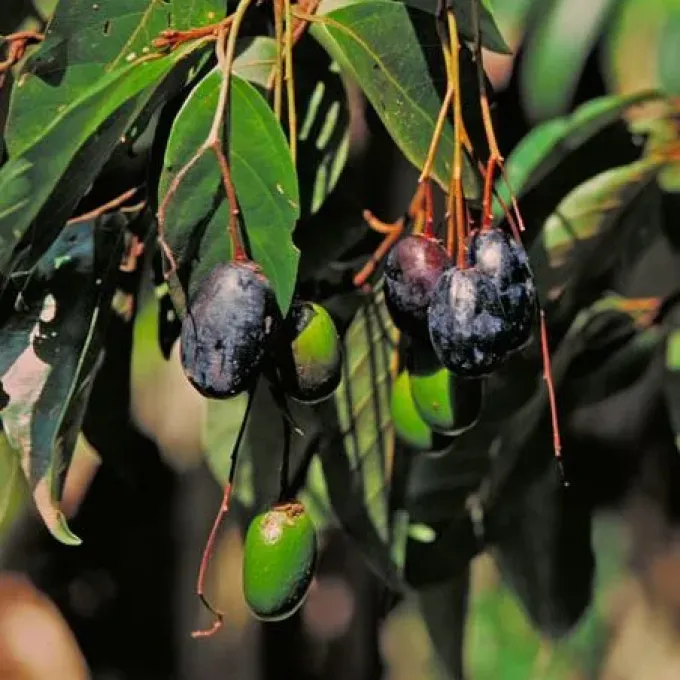
Description
Growing requirements
Endiandra longipedicellata is a distinct tree species belonging to the Lauraceae family. Its biological cycle is deeply rooted in the ecological dynamics of humid tropical forests, requiring high levels of environmental stability for optimal development.
The species prefers fertile, well-drained soil types that are abundant in organic matter. In its natural habitat, it thrives in environments characterized by consistently high humidity levels, which are essential for maintaining the tree’s hydration and metabolic processes.
Climatic requirements involve a tropical temperature regime with minimal seasonal fluctuations. The plant is adapted to thrive under the forest canopy in its youth, eventually requiring exposure to full sunlight once it reaches the upper strata of the forest structure.
Soil aeration is a critical factor for the longevity of Endiandra longipedicellata. Poor drainage can lead to root asphyxiation and the development of harmful anaerobic soil environments, which the plant is not adapted to handle in its wild state.
Cultivation practices for this rare tree focus on preserving natural ecological niches. Providing consistent moisture without waterlogging is key to its health, alongside maintaining a stable, slightly acidic soil pH that mirrors its natural environment.
Main diseases and pests
Habitat loss due to large-scale deforestation represents the most significant threat to the survival of Endiandra longipedicellata. As an endemic species, it cannot migrate or adapt to the rapid changes in land use that currently plague its native regions.
Fungal pathogens pose a constant risk, particularly in high-humidity conditions where spores thrive. Root rot is a common issue for many Lauraceae species, and this tree is susceptible if soil conditions shift due to human interference or environmental degradation.
Insects, particularly wood-boring beetles, represent a major biological threat. These pests target weakened trees, creating galleries in the trunk that allow opportunistic fungi and bacteria to penetrate deep into the plant’s vascular system.
Competition from invasive plant species is another critical concern. These fast-growing invaders frequently outcompete the slower-growing Endiandra longipedicellata for essential nutrients and limited light resources in the crowded tropical understory.
Climate change impacts, such as erratic rainfall patterns and increased temperature extremes, further exacerbate the susceptibility of the species. These stressors weaken the tree's natural defense mechanisms, making it increasingly vulnerable to the diverse complex of tropical pests.