
Queensland Walnut
Endiandra palmerstonii C. T. White
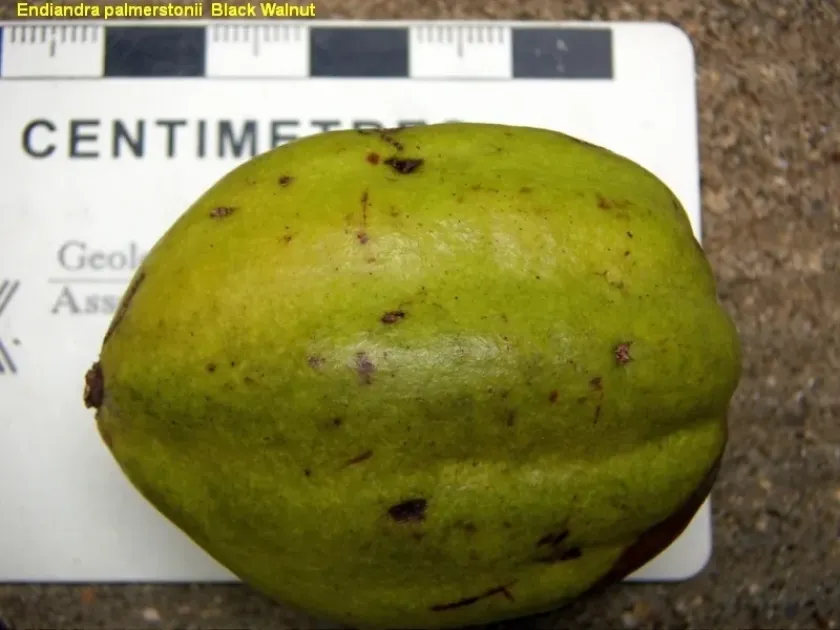
Description
Growing requirements
Queensland Walnut (Endiandra palmerstonii) is a significant tree species belonging to the Lauraceae family. It is native to the rainforest regions of North Queensland, Australia.
This species thrives in warm, humid tropical environments. It demands high annual rainfall and avoids extremes in temperature to maintain its steady growth cycle.
Ideal soil conditions include deep, nutrient-rich, and well-drained alluvial soils. Proper soil structure is critical to prevent root suffocation during heavy tropical rain events.
While seedlings often require shade to establish, mature trees need ample overhead sunlight to achieve their characteristic large size and dense canopy structure.
Plantation management requires selecting sites with suitable topography to prevent erosion and ensure that water drainage is consistent with the species' ecological needs.
Yield
The primary agricultural and economic value of the Queensland Walnut lies in its timber, which is highly sought after for cabinet-making and premium interior design.
The wood is dense, durable, and features a striking grain pattern. It is often compared to American walnut, making it a valuable resource in high-end woodworking markets.
Beyond timber production, the species is vital for carbon sequestration and maintaining the ecological balance of tropical landscapes where it is cultivated.
Commercial harvest planning involves long-term strategies, as the tree grows slowly compared to softwoods, emphasizing the need for sustainable yield management.
Optimal wood quality is achieved by managing competition between individual trees, ensuring that each specimen has sufficient space to grow straight, high-clearance trunks.
Main diseases and pests
Root pathogens and fungal infections represent the most significant threat to the health of the trees, especially in areas with poor drainage and excessive moisture.
Insect pests, particularly wood-boring beetles, can compromise the integrity of the stem, potentially causing significant devaluation of the final timber product.
Weed encroachment, including invasive climbing vines, can stifle the growth of young trees by blocking light and physically hindering their vertical development.
Climate instability, such as prolonged droughts or intense cyclonic activity, can cause physiological stress, making trees more susceptible to secondary pest attacks.
Sustainable management involves proactive monitoring, integrated pest management (IPM) practices, and maintaining site hygiene to minimize pathogen spread.