
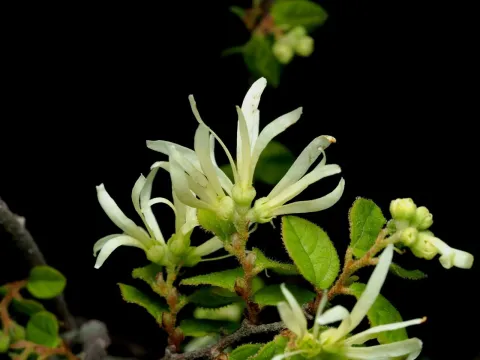
Loropetalum
Loropetalum R. Br. ex Rchb.
Loropetalum, commonly known as Chinese fringe flower, is an evergreen ornamental shrub belonging to the Hamamelidaceae family. Its native range encompasses the subtropical regions of China, Japan, and Southeast Asia.
What the section contains

Loropetalum
The crop prefers slightly acidic, well-drained, and humus-rich soils. The plant is extremely sensitive to waterlogging, therefore, when planting in areas with heavy clay soils, it is necessary to install a high-quality drainage layer.
For optimal development, Loropetalum requires a temperate climate with protection from strong northerly winds and direct midday sun. In regions with freezing winters, cultivation is possible mainly in containers, moving them to a cool room during the dormant period.
Agricultural practices include regular watering during dry periods and mulching the root zone with organic matter. Fertilizers are applied at the beginning of the growing season using feeds intended for acid-loving plants, which promotes vibrant foliage color and abundant flowering.
The economic use of Loropetalum is focused on landscaping and garden design. It is highly valued for its unique strap-like flower clusters and decorative leaf colors, which range from vibrant green to deep purple.
Typical problems encountered during cultivation include chlorosis, which occurs due to soil pH imbalances or excess lime, as well as fungal root rot caused by overwatering and poor drainage.
Common pests found on this crop include scale insects, spider mites, and aphids. Control involves regular inspections and the application of broad-spectrum insecticides and acaricides when necessary.