
Parrotia subaequalis
Parrotia subaequalis
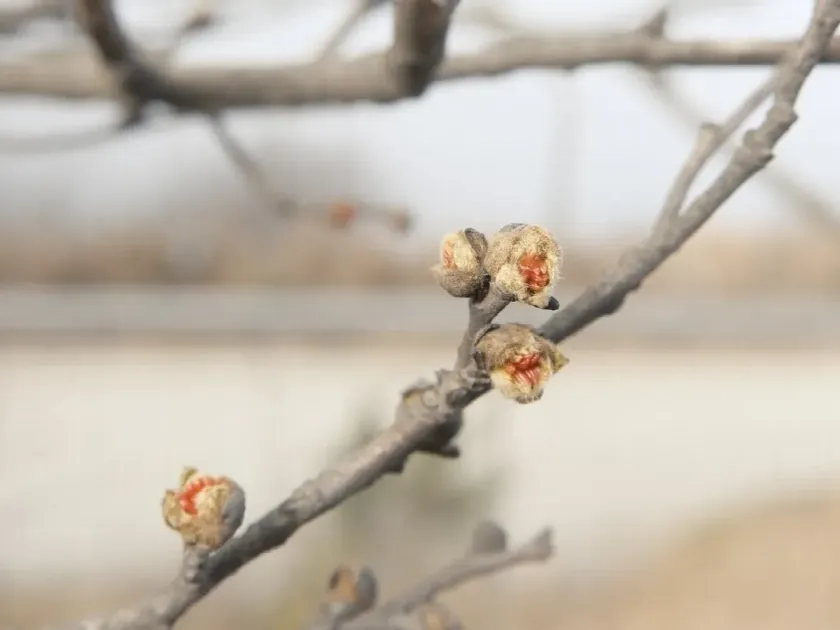
Description
Growing requirements
Parrotia subaequalis is a rare deciduous tree species belonging to the Hamamelidaceae family. Originating from the mountainous regions of Eastern China, it is highly regarded by botanists and horticulturists for its restricted natural range and distinct morphological characteristics that set it apart from other species in the genus.
The crop thrives in fertile, well-drained, and slightly acidic soils rich in organic matter. Proper site selection is critical, as the tree requires a stable supply of moisture without the risk of waterlogging, which can prove fatal to its delicate root system, especially during the establishment phase.
Climatic requirements involve a preference for temperate conditions with adequate humidity. While it exhibits moderate winter hardiness, extreme temperature fluctuations and severe desiccating winter winds should be avoided through strategic planting locations and protective measures in younger stages.
Agricultural management requires regular monitoring of soil moisture and nutrient levels. The application of organic mulches is strongly recommended to regulate soil temperature and retain moisture, effectively mimicking the natural forest floor conditions from which this species originates.
The primary economic and practical use of this plant is in high-end ornamental landscaping and botanical collections. It is valued for its structured branch architecture, peeling bark texture, and spectacular autumn foliage, which displays a wide spectrum of vibrant red, orange, and purple hues.
Main diseases and pests
The most significant threats to the health of Parrotia subaequalis are root-borne fungal pathogens typically induced by poor drainage and soil compaction. Ensuring proper soil aeration is the most effective preventative measure against such infections.
Insect pests are generally not a major concern; however, during periods of extreme heat or drought, the plant can become susceptible to sap-sucking insects like aphids or spider mites. Maintaining plant vigor through consistent irrigation is the best way to prevent significant pest outbreaks.