
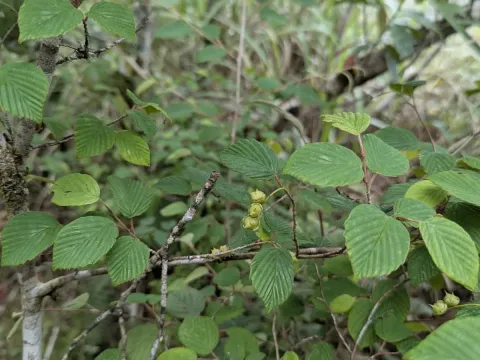
Corylopsis
Corylopsis Sieb. et Zucc.
Corylopsis, commonly known as winter hazel, is a genus of deciduous shrubs belonging to the Hamamelidaceae family. Native to East Asia, particularly Japan and China, these plants are prized for their early-spring, fragrant, bell-shaped flowers that appear on bare branches before the foliage emerges.
What the section contains
Corylopsis
Successful cultivation requires nutrient-rich, humus-based, and well-drained soil. They thrive in environments that mimic their natural woodland habitat, meaning the soil should be consistently moist but never waterlogged, as poor drainage is the primary cause of root system failure.
The plant demonstrates a strong preference for acidic to neutral soil conditions. Similar to other ericaceous plants, it will suffer from chlorosis if the soil pH rises above 6.5, resulting in yellowing foliage and stunted growth due to the inability to absorb essential micronutrients like iron.
Positioning is crucial for Corylopsis; they perform best in light shade or sheltered spots. While they tolerate some direct morning sun, the harsh afternoon heat can cause leaf scorch, particularly in younger specimens that have not yet established a deep root system.
Climate adaptability is moderate, and these shrubs are generally hardy in temperate regions. Protection from cold, drying winds is necessary to preserve the delicate flower buds during the winter. A thick layer of organic mulch around the base helps stabilize soil temperature and retain moisture throughout the growing season.
Corylopsis is generally considered a low-maintenance, disease-resistant plant. However, environmental stress can predispose it to fungal infections. Botrytis blight and leaf spot are the most common issues, particularly in high-humidity areas with poor air circulation.
Insect pests, although infrequent, can occasionally become an issue. Aphids may cluster on young, tender shoots during the spring growth flush, while spider mites can affect the leaves during prolonged dry, hot spells in the summer.
Sanitation is the most effective management strategy. Regularly pruning out dead or diseased wood and ensuring adequate spacing between plants prevents the buildup of humidity and reduces the likelihood of fungal outbreaks. Clean gardening tools are essential to avoid spreading pathogens.
If chemical intervention becomes necessary, use horticultural soaps or oils to manage mite and aphid infestations. For fungal issues, copper-based fungicides or systemic treatments should be applied only when symptoms are clearly identified and in strict accordance with the product labels.
In terms of nutritional disorders, avoid excessive heavy fertilizing. Instead, focus on providing slow-release organic matter that mimics the natural forest floor litter. This supports the plant's natural health and strengthens its resistance to various biotic and abiotic threats.