
Thuja standishii
Thuja standishii (Gordon) Carrière
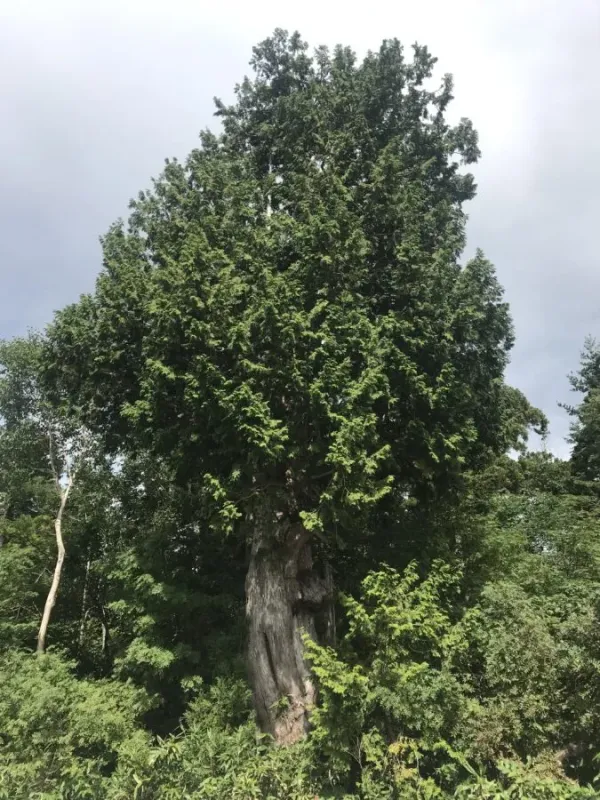
Description
Growing requirements
Thuja standishii, commonly known as the Japanese arborvitae, belongs to the Cupressaceae family. It is a slow-growing, evergreen conifer that displays a beautiful, broad, pyramidal form with distinctive, aromatic, and glossy green foliage.
Native to the mountains of Japan, specifically Honshu and Shikoku islands, this species is highly valued for its natural hardiness and elegant texture. It is often used as a specimen tree in landscapes or as part of large-scale plantations.
This tree performs best in moist, well-drained, fertile soil. It exhibits moderate tolerance to various soil types but suffers significantly in compacted or waterlogged ground, which can lead to root system decay and poor plant development.
Climate requirements include a preference for cool, humid atmospheres. While it is quite tolerant of shade, the best growth is observed when the plant receives filtered sunlight, which helps prevent the interior foliage from browning due to heat stress.
Agrotechnical practices should focus on maintaining constant soil moisture, especially during the establishment years. Mulching around the base is highly recommended to protect the root zone and stabilize the temperature of the underlying soil.
Main diseases and pests
The primary threats to Thuja standishii are fungal pathogens, particularly those causing tip blight and root rot. High humidity without proper airflow promotes these infections, often leading to partial dieback of the branches.
Insect pests, such as aphids and scale insects, frequently target the succulent growth of the plant. These pests can weaken the overall structure and health of the tree, making it more susceptible to environmental stressors.
Integrated Pest Management (IPM) practices are essential, including regular inspections for spider mites and other sap-sucking insects. Early detection remains the most effective strategy for preserving the aesthetic quality of the foliage.
Maintaining proper spacing between individual trees is crucial for good ventilation, which is the first line of defense against fungal spores. It is also important to avoid overhead irrigation late in the evening to keep the foliage dry overnight.
When chemical treatments are necessary, they should be applied precisely according to the manufacturer’s instructions. Seasonal cleanup of fallen debris under the canopy helps reduce the reservoir of pathogens and pests in the garden environment.