
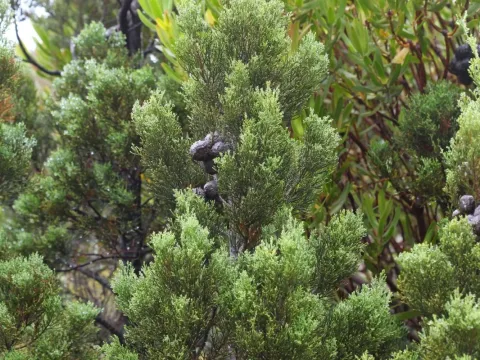
Widdringtonia
Widdringtonia
Widdringtonia is a genus of evergreen trees and shrubs within the Cupressaceae family, native primarily to the mountainous regions of Southern Africa. These plants are known for their resilience in rocky, nutrient-poor soil conditions.
What the section contains


Widdringtonia
The culture requires a well-drained substrate to prevent waterlogging, which is detrimental to its root system. It thrives in locations where the soil pH is slightly acidic to neutral, mirroring its natural rocky habitat.
Climatic requirements are specific: the plants prefer mild temperatures and are generally intolerant of severe, prolonged frosts. In agricultural practice, they are best suited for Mediterranean or subtropical climates.
As a light-demanding species, Widdringtonia requires full sun exposure to maintain a dense, healthy canopy. Insufficient light can lead to sparse foliage and stunted growth patterns.
Water management is essential during the establishment phase. Once matured, the trees exhibit significant drought tolerance, allowing them to withstand seasonal dry spells typical of their native range.
Fire is the most significant threat to Widdringtonia populations. Due to the high resin content in the bark and needles, these trees are highly susceptible to wildfires.
Root rot pathogens represent a serious risk in nursery conditions, particularly if drainage is inadequate, leading to the rapid decline of young seedlings.
Pests such as spider mites and scale insects can infest the foliage, particularly in stressful environments with poor airflow or humidity imbalances.
Bark beetles can cause severe damage in mature plantations, especially if trees are already weakened by environmental stressors or lack of proper pruning.
Integrated pest management strategies should include monitoring for early symptoms of chlorosis or leaf drop and applying targeted fungicides when environmental humidity remains consistently high.