
Xanthocyparis
Xanthocyparis
The genus Xanthocyparis belongs to the family Cupressaceae, representing a group of evergreen conifers known for their distinct morphology. These plants are historically associated with regions in North America and parts of Asia, thriving in cool, humid environments.
What the section contains

Xanthocyparis
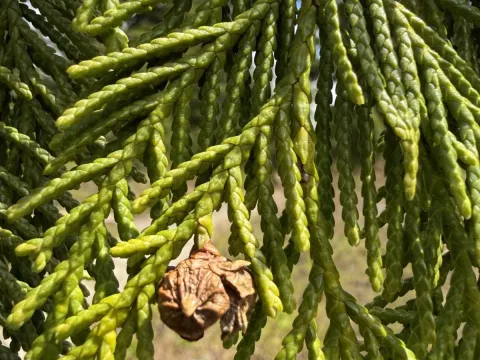
Botanically, these trees feature flattened sprays of scale-like leaves and small, woody cones that typically mature over two seasons. The growth rate is generally slow, making them highly prized as long-lived specimens in landscape architecture and park design.
Successful cultivation requires soil that is well-drained, fertile, and slightly acidic. The plant is particularly sensitive to waterlogging, necessitating the installation of proper drainage systems in soils with a high clay content.
Climate requirements include moderate temperatures and high atmospheric humidity. During hot summers, it is essential to provide irrigation and mulch the root zone to prevent the soil from drying out and to maintain stable thermal conditions.
Economically, Xanthocyparis is valued primarily for its ornamental qualities in garden settings. Historically, the wood of some species within this group was highly regarded for its exceptional durability and natural resistance to decay, used in boat building and structural works.
The most common pests affecting Xanthocyparis are spider mites, which thrive in low-humidity conditions. Maintaining proper moisture levels around the foliage is a key cultural practice to discourage mite infestations.
Fungal diseases, specifically Phytophthora root rot, pose a significant threat when soil drainage is inadequate. Ensuring that the root zone is aerated and not waterlogged is the most critical step in disease prevention.
Needle blight or rust diseases can occasionally affect the foliage, manifesting as discolorations or lesions. These issues should be managed by pruning infected branches and applying copper-based fungicides when necessary.
Young specimens are prone to winter or spring sunscald if exposed to direct intense sunlight before they are fully established. Providing temporary shade screens is an effective method to protect young trees during their early growth stages.
To maintain overall vigor, it is important to apply specialized fertilizers for conifers. A healthy, well-nourished plant is far more resilient to pathogen attacks and environmental stressors than a stressed individual.