
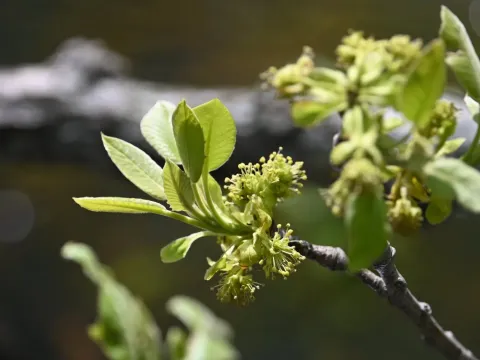
Water tupelo
Nyssa aquatica L.
Water tupelo (Nyssa aquatica) is a prominent deciduous tree belonging to the Nyssaceae family. It is native to the southeastern United States, specifically thriving in deep swamps, river floodplains, and areas that remain saturated or flooded for significant portions of the year.
What the section contains
Water tupelo
The botanical features of this species include a swollen, buttressed base which provides stability in soft, wet soils. The leaves are ovate or oblong, providing significant canopy cover, while the small flowers are an important nectar source for pollinators within the wetland ecosystem.
Regarding climate requirements, the tree demands a warm, humid environment with high annual rainfall. It is not cold-hardy in extreme northern regions and requires a long growing season to achieve full maturation and proper wood density.
Soil management for Nyssa aquatica involves maintaining high moisture retention. While it can handle heavy clay soils that are detrimental to many other tree species, it requires the soil to be continuously moist, as drought stress is usually fatal to young saplings.
Economically, the species is highly valued for its light-colored, tough, and cross-grained wood. It is extensively harvested for the production of crates, shipping pallets, furniture components, and high-quality veneers used in woodworking industries.
The primary threats to Water Tupelo include various fungal diseases, such as heart rot, which frequently impact the timber quality. These pathogens often enter the tree through wounds caused by weather events or environmental stressors in the damp, shaded swamp environment.
Insects, particularly wood-boring beetles, pose a significant risk to tree health. They often target weakened individuals, compromising the structural integrity of the wood and providing pathways for further secondary fungal infections that can kill the tree.
Changes in the hydrological regime represent a major environmental threat. If the water table drops significantly due to drainage projects or climatic changes, the tree becomes highly susceptible to stress, which reduces its natural resistance to common swamp pathogens.
Leaf blight and other foliar diseases can occur when humidity levels remain excessively high for extended periods without adequate air circulation. While rarely fatal to mature trees, these infections significantly hinder photosynthesis and total annual growth rates.
Integrated forest management is essential for protecting Nyssa aquatica populations. This includes ensuring stable water levels, conducting regular silvicultural assessments to remove diseased timber, and monitoring for signs of pest infestations during the peak growing season.