
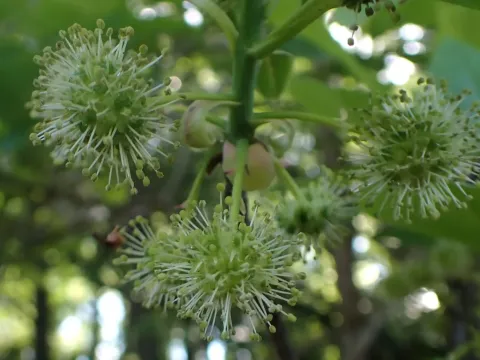
Ogeechee lime
Nyssa ogeche
The Ogeechee lime (Nyssa ogeche), belonging to the Nyssaceae family, is a deciduous tree native to the southeastern United States. It is naturally adapted to swamps, floodplains, and areas with high water tables.
What the section contains
Ogeechee lime
Cultivation requirements focus heavily on moisture levels. The species thrives in saturated soils and can tolerate complete inundation for significant periods, which makes it a unique candidate for riparian reforestation.
Climatically, Nyssa ogeche prefers a humid subtropical environment. It is sensitive to severe cold and requires long, warm growing seasons to reach full maturity and produce a consistent crop of fruit.
Soil preferences include acidic, nutrient-dense organic soils. In agricultural settings, producers must ensure that the site remains consistently wet, as the plant lacks drought tolerance and will suffer in dry conditions.
The standard agro-management for this species involves monitoring the water flow and quality. Proper site selection in existing wetlands or controlled marshy areas is essential for the tree to thrive.
The primary commercial value of the Ogeechee lime lies in the apiculture industry. It produces the highly prized Tupelo honey, which is globally recognized for its exceptional quality, clarity, and resistance to crystallization.
The fruits of the tree are tart, lime-shaped drupes. While not commonly consumed raw due to their acidity, they are widely used in culinary applications, such as making preserves, jellies, and tart beverages.
Wood from this species is commercially utilized for its lightweight nature and strength. It is frequently employed in the production of furniture and specialized wooden containers that require stable, non-warping material.
Ecologically, the tree acts as a vital agent for soil stabilization in wetlands. Its root system helps prevent riverbank erosion while contributing to the overall health of the aquatic ecosystem.
Economic returns are optimized when the tree is cultivated in large-scale apiary-managed forests. The combination of honey production and high-quality timber ensures a diversified and sustainable agricultural output.