
Western dogwood
Cornus occidentalis
Description
Growing requirements
Western dogwood (Cornus occidentalis) belongs to the Cornaceae family. It is a deciduous shrub native to North America, known for its robustness and ornamental value throughout the year. The plant naturally inhabits riverbanks and moist lowlands, reflecting its preference for moisture-rich environments.
Cultivation requires sites with full sun to partial shade. While it is adaptable to various soil types, it thrives best in deep, fertile, and well-draining soils with a neutral or slightly acidic pH. Proper soil moisture is critical during the initial establishment phase.
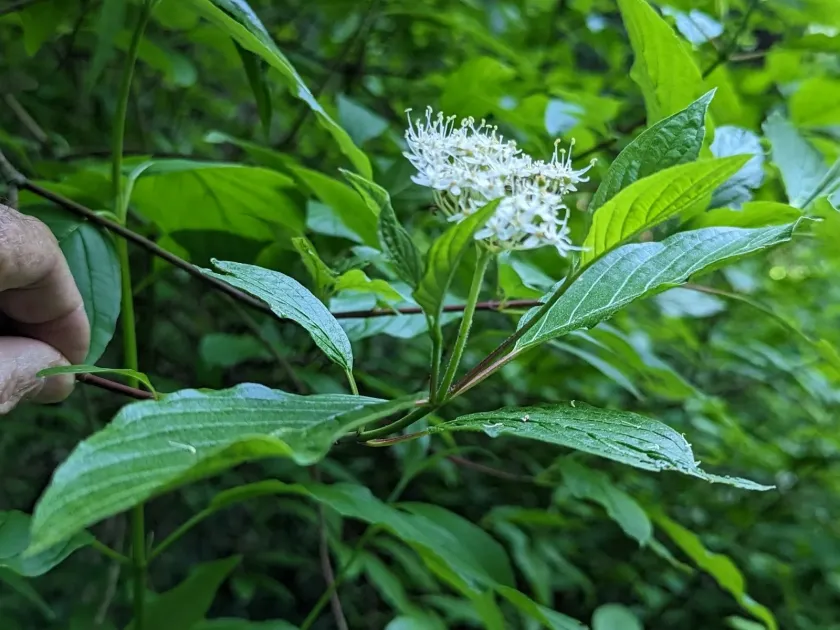
Botanical features include smooth, slender stems that display intense color variations, particularly in late winter when the foliage is absent. The leaves are simple and ovate, providing a lush green cover in spring and summer, followed by vibrant autumn colors.
The agrotechnical management involves annual pruning to stimulate vigorous growth of new shoots, which are essential for maintaining the shrub's vibrant winter appeal. Pruning also helps manage the size and shape of the plant within a landscape design.
Its primary use includes erosion control, the establishment of naturalistic hedges, and serving as a focal point in parks. Due to its hardiness, it remains a popular choice for gardeners seeking low-maintenance native vegetation that supports local biodiversity.
Main diseases and pests
The most common disease affecting this species is powdery mildew, particularly when plants are grown in overcrowded or poorly ventilated areas. Maintaining sufficient spacing between shrubs helps prevent the spread of fungal spores.
Insect pests such as aphids and scale insects can occasionally infest the stems and leaves. Regular monitoring during the growth season allows for timely intervention using biological or chemical pest control measures.
Leaf spot diseases are occasionally observed during periods of high humidity. Proper sanitation, including the removal of fallen leaves at the end of the season, is crucial for disease control and plant hygiene.
Root rot can become a threat if the soil remains constantly waterlogged without adequate drainage. Selecting a site with appropriate soil structure ensures the longevity and health of the root system.
Nutritional deficiencies, specifically iron chlorosis, can occur if the soil pH is too high, leading to yellowing of the leaves. Applying appropriate fertilizers helps sustain the aesthetic and biological health of the specimen.