
Kigelia
Kigelia
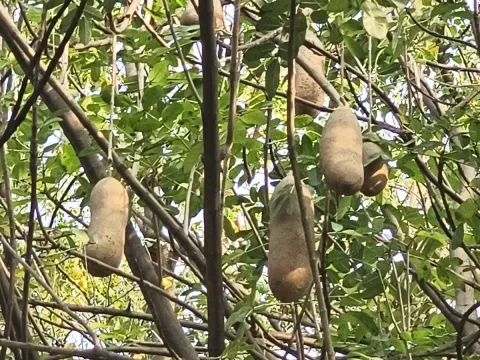
Kigelia, commonly known as the sausage tree, is a member of the Bignoniaceae family. Native to tropical Africa, this tree is distinguished by its large, pendulous, sausage-like fruits and nocturnal, blood-red flowers that are pollinated primarily by bats.
What the section contains

Kigelia
To cultivate Kigelia successfully, a tropical or subtropical climate is essential. The tree thrives in full sun and requires temperatures consistently above 20°C to maintain metabolic activity. It is highly sensitive to frost, which can cause severe branch dieback or total plant mortality.
The ideal soil for this species is deep, well-drained, and nutrient-rich. While the tree shows tolerance to various soil types, its growth rate is significantly optimized when planted in loam-based soils with adequate organic matter content and a pH range of 6.0 to 7.5.
Agricultural management involves careful irrigation, especially during the fruit-setting stage. Despite its drought-resistant nature, supplemental watering ensures the production of larger, healthier fruits, which are the primary economic yield of this commercial crop.
The industrial use of Kigelia is largely focused on the cosmetic and pharmaceutical sectors. Its fruit extracts are valued for their skin-firming and anti-inflammatory properties, making them a significant component in various dermatological preparations.
Common pathological threats include leaf spot diseases and powdery mildew, often exacerbated by stagnant air and humidity. Effective management involves maintaining adequate spacing between trees to improve airflow and applying preventive fungicide treatments.
Pest pressures primarily include sap-sucking insects like mealybugs and whiteflies, which can weaken the tree if left uncontrolled. Integrated pest management strategies, utilizing both biological controls and targeted chemical treatments, are recommended for large-scale production.
Harvesting the heavy, woody fruits requires manual labor and specialized equipment to safely detach them from high branches. After harvesting, fruits are typically processed through drying or extraction methods to preserve the integrity of the active bioactive compounds.