
Jacaranda micrantha
Jacaranda micrantha
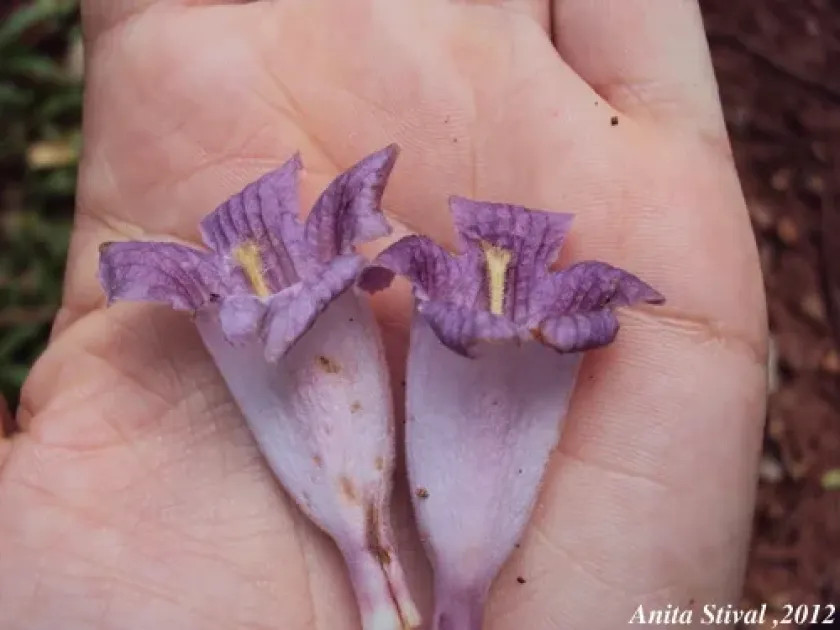
Description
Growing requirements
Jacaranda micrantha is a prominent species within the Bignoniaceae family, native to the tropical and subtropical regions of South America. This tree is highly valued for its rapid growth rate and its impressive, violet-colored inflorescences that appear in favorable climates.
Cultivation of this species requires a warm environment, as it is extremely sensitive to frost. It thrives best in full sunlight, which is necessary to stimulate flower bud development and maintain the structural integrity of the canopy.
The ideal soil for this culture is deep, fertile, and well-drained. While it can adapt to various soil textures, waterlogged conditions must be strictly avoided, as the root system is prone to hypoxia and subsequent decay in saturated environments.
Maintenance involves routine irrigation during the dry season, ensuring the root ball remains moist but not saturated. Regular application of balanced fertilizers supports vegetative growth and enhances the overall vigor of the tree.
In terms of usage, Jacaranda micrantha serves as a major component in ornamental forestry and urban planning, acting as a centerpiece in large gardens and boulevard landscaping projects throughout its native range.
Main diseases and pests
Pest pressure often comes from sap-sucking insects such as aphids and scale insects. These pests cluster on the undersides of leaves and young stems, extracting essential nutrients and leading to stunted growth.
Fungal diseases, specifically leaf spot and powdery mildew, represent a significant challenge in high-humidity areas. Poor airflow through the canopy significantly increases the likelihood of these outbreaks.
Root rot, often caused by over-irrigation or poor soil structure, is the most detrimental condition for the long-term survival of the tree. Once established, this condition is difficult to treat, necessitating preventative measures.
Integrated pest management strategies are recommended, including the use of horticultural oils to manage soft-bodied pests and the application of systemic fungicides to treat fungal infections when they occur.
Maintaining a clean cultivation area by removing fallen leaves and pruning dead or overcrowded branches improves aeration and reduces the habitat available for both pests and disease-causing pathogens.