
Markhamia
Markhamia Seem. ex Baill.
Markhamia is a genus of evergreen trees and shrubs belonging to the Bignoniaceae family. Naturally occurring in the tropical regions of Africa and Asia, these plants are well-adapted to warm and humid climates where the growing season persists throughout the year.
What the section contains

Markhamia
Cultivating this species requires fertile, well-draining soil with a neutral pH balance. The root system is sensitive to waterlogging, making proper site selection and soil structure management essential components of the planting process to prevent root rot and ensure healthy development.
The plant thrives in full sunlight and requires consistently warm temperatures, ideally between 22 and 30 degrees Celsius. Exposure to cold winds or frost can cause severe damage to the foliage and stems, significantly limiting its successful cultivation to frost-free tropical or subtropical zones.
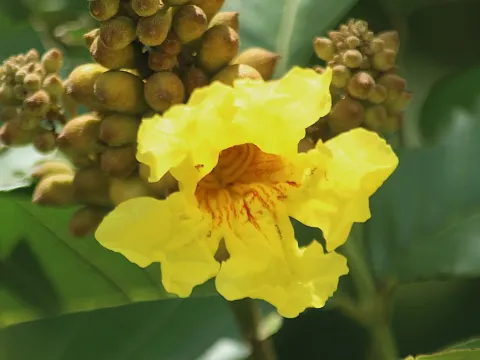
Botanically, Markhamia is recognized by its pinnately compound leaves and large, bell-shaped or tubular flowers that form in showy racemes. These features make it not only an economically viable timber tree but also a popular choice for ornamental landscaping in hot climates.
The wood harvested from Markhamia is highly valued for its durability and resistance to decay, often used in rural construction and furniture making. Furthermore, the tree plays a vital role in local ecosystems by providing shade and supporting biodiversity through its nectar-rich flowers.
Pathogenic threats for Markhamia primarily involve fungal diseases affecting the roots, typically exacerbated by poor soil drainage. Agronomists recommend implementing rigorous water management practices and applying appropriate fungicides to mitigate the risk of pathogen spread in commercial groves.
Insect pests, including mealybugs and various species of mites, can infest the canopy during periods of low precipitation. Integrated pest management strategies, such as monitoring leaf health and applying biological controls, are crucial for maintaining the vigor and productivity of the trees.