
Jacaranda copaia
Jacaranda copaia
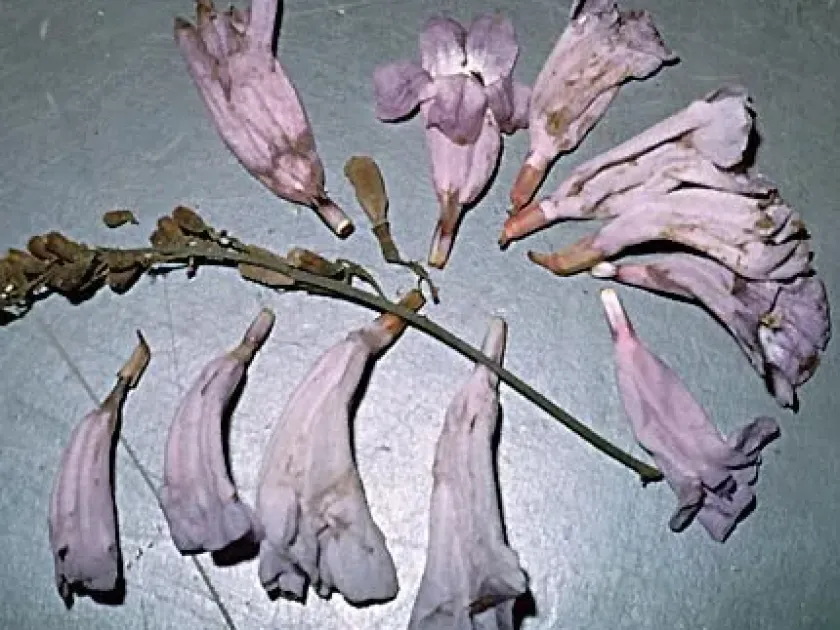
Description
Sowing dates
Propagation of Jacaranda copaia is primarily achieved through seeds in nursery environments. The optimal time for sowing is at the beginning of the rainy season to ensure the constant moisture levels required for germination.
Seeds of this species have short viability and should be planted as soon as possible after harvesting. Using a well-prepared seedbed enriched with organic matter significantly boosts seedling vigor during the initial development phase.
When seedlings reach a height of 30–50 cm, they are ready for transplanting into the permanent plantation site. Careful spacing is essential to ensure that each tree has sufficient access to light and nutrients for rapid growth.
The establishment phase requires meticulous care, including regular watering during dry spells. Protecting young trees from excessive competition with weeds is vital for their survival and long-term structural development.
Proper soil preparation, including deep tilling, is recommended before planting. This practice encourages the development of a robust root system, which is critical for the tree’s resilience against environmental stress.
Growing requirements
Jacaranda copaia is a fast-growing tree species from the Bignoniaceae family, native to the tropical forests of Central and South America. It thrives in climates characterized by consistently warm temperatures throughout the year.
The species prefers deep, fertile, and well-drained soils. Sites with high moisture retention but without waterlogging are ideal, as the roots are sensitive to poor drainage and low oxygen availability in the soil.
Light intensity is a critical factor for growth. While young saplings tolerate light shade, the species is essentially heliophilic. Full sunlight is necessary for adult trees to develop straight, high-quality boles suitable for timber production.
Humidity levels should reflect tropical conditions. The species does not tolerate frost or cold temperatures; therefore, cultivation is restricted to tropical and subtropical zones where temperatures remain well above 15°C.
Soil pH should ideally be neutral or slightly acidic. On degraded soils, the application of organic fertilizers or bio-compost is necessary to sustain the rapid biomass production characteristic of this species.
Yield
The primary utility of Jacaranda copaia is its wood, which is recognized for being lightweight, soft, and easy to work with. It is highly valued in the furniture and plywood industries for its uniform texture.
Due to its rapid growth rate, the rotation cycle for timber harvesting is shorter compared to many hardwood species. This high yield potential makes it an economically attractive option for commercial forest plantations.
Productivity is maximized through strategic thinning, which removes inferior trees and allows the best specimens to accumulate biomass more efficiently. Proper plantation density is key to maintaining consistent wood quality.
The timber is suitable for various applications, including interior woodwork, decorative veneers, and light construction. Its ability to be polished and treated makes it versatile for finished product manufacturing.
Beyond its economic yield, the species contributes to ecological restoration. Its rapid growth provides quick canopy cover, which helps protect soil integrity and supports the return of secondary forest biodiversity.
Main diseases and pests
Fungal diseases are the most significant threat to plantations, especially in humid conditions with poor air circulation. These pathogens can attack the stem and roots, severely degrading timber quality.
Insect pests, including defoliators and wood-boring beetles, can cause localized damage. Implementing integrated pest management strategies, such as regular monitoring and targeted treatments, is essential for healthy growth.
Waterlogging is a major physiological threat that induces root rot. Ensuring adequate site drainage is the most effective preventative measure against widespread plantation failure due to water-related stress.
Invasive weed species compete aggressively for nutrients in the first few years of the plantation cycle. Regular clearing and the use of mulch are crucial to ensure that saplings maintain their growth momentum.
A proactive monitoring program should be in place to detect disease outbreaks early. Biological control methods are increasingly used to maintain plantation health while minimizing the environmental impact of chemical use.
Harvesting
The timing of the harvest is determined by the target diameter of the timber. Professional felling techniques are employed to prevent stem splitting and maximize the utility of the logs for sawmilling.
Once the trees are felled, efficient removal of logging residue is required to keep the site clean and prevent the buildup of pathogens that could affect future growth cycles.
Sustainable harvesting practices, such as selecting individual trees for harvest while leaving others to mature, help maintain the structural integrity of the plantation and minimize soil disruption.
Post-harvest soil analysis is recommended to determine the impact on nutrient levels. Restoration steps, such as replanting with diverse species or applying organic fertilizers, ensure the land remains productive for future cycles.
Logistics are vital to the final yield. Freshly harvested wood should be transported and processed quickly to prevent drying defects, staining, or insect colonization before reaching the manufacturing facility.