
Jacaranda cuspidifolia
Jacaranda cuspidifolia
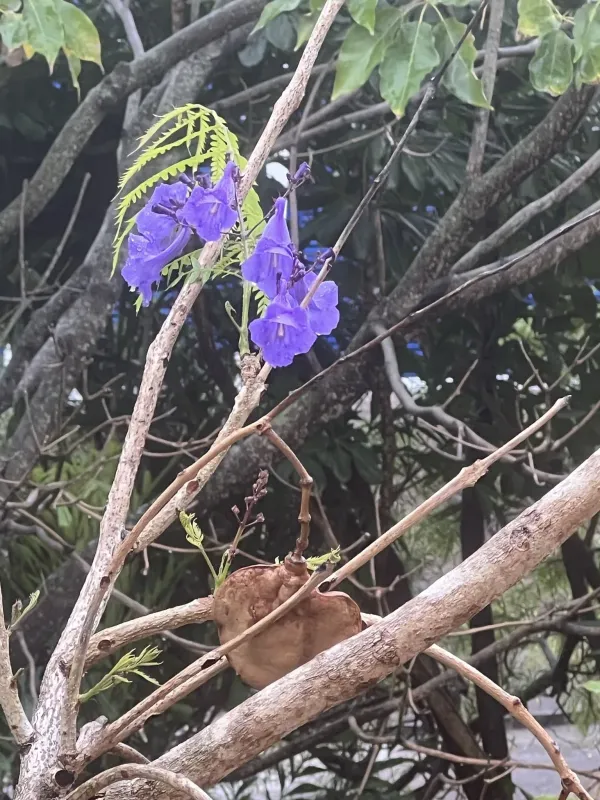
Description
Growing requirements
Jacaranda cuspidifolia is a stunning deciduous tree belonging to the Bignoniaceae family. Known for its distinct sharp-pointed leaflets and vibrant floral displays, it is a significant ornamental species in subtropical landscapes.
The tree is native to the regions of South America, including Argentina and Brazil. It thrives in open, sun-drenched environments where it can reach its full growth potential and produce abundant, showy blossoms.
The cultural requirements involve fertile, well-draining soil with a slightly acidic to neutral pH. It is crucial to ensure that the planting site prevents water accumulation, as the root system is highly sensitive to hypoxia.
The climate must be frost-free for successful outdoor cultivation. In cooler regions, this tree is primarily cultivated in large containers, requiring a greenhouse or conservatory to protect it from freezing temperatures during winter.
Beyond its aesthetic value in landscaping, the tree provides high-quality timber known as rosewood. This wood is highly valued in craftsmanship due to its density, durability, and rich, aesthetic grain patterns.
Main diseases and pests
Common health issues in Jacaranda cuspidifolia arise from poor environmental management. Fungal diseases often target the root system if the soil remains waterlogged for extended periods, leading to rapid decay.
Aphids are the most frequent insect pests. These small insects congregate on young buds and tender leaves, sucking sap and causing leaves to curl, which significantly stunts the growth of the young tree.
Scale insects present a more persistent challenge as they attach to the bark and stems. Their hard, protective coverings make them resilient to standard contact insecticides, requiring systemic treatments for effective control.
Whiteflies can also affect the tree in greenhouse settings. They feed on the underside of leaves, causing yellowing and shedding, which can diminish the overall vigor and decorative appeal of the specimen.
Integrated pest management is recommended, focusing on maintaining tree hygiene and humidity levels. Early detection through regular visual inspections remains the best strategy for maintaining a healthy jacaranda tree.