
Artocarpus sericicarpus
Artocarpus sericicarpus
Artocarpus sericicarpus, commonly known as pedalai, is a tropical fruit tree belonging to the Moraceae family. Propagation is primarily achieved through seeds, which must be sown immediately after removal from the fruit due to their short viability.
What the section contains
Artocarpus sericicarpus
The seeds are sown in a well-draining, nutrient-rich soil mix. Maintaining high humidity is critical for successful germination, which usually occurs under warm conditions, typically between 25 and 30 degrees Celsius.
Seedlings require careful attention, including partial shading during their early stages of growth to protect them from intense direct sunlight. They are kept in nursery conditions until they develop a robust root system.
Transplanting to the permanent orchard location is done during the onset of the rainy season to ensure optimal moisture availability for the young tree to establish itself.
Proper spacing between trees is essential to accommodate the wide canopy characteristic of mature Artocarpus species, ensuring adequate airflow and light penetration across the orchard.
This species thrives in lowland tropical climates and is highly sensitive to cold temperatures. It requires a stable, warm environment with high rainfall throughout the year for optimal growth.
Deep, fertile, and well-drained soils are preferred. While the tree appreciates moisture, waterlogged conditions can be detrimental to the roots, leading to physiological stress and root rot.
For high-yield production, regular application of balanced organic fertilizers is recommended. Soil mulching helps in moisture retention and suppresses weeds that compete for nutrients.
The tree requires protection from strong winds, which can damage the large, heavy fruit and the tree's branches. Windbreaks are a standard component of successful cultivation plans.
Adequate sunlight is necessary for fruit development. While mature trees are sun-loving, the young plants should be monitored to ensure they do not suffer from heat-related stress during extreme dry spells.
Artocarpus sericicarpus typically begins to bear fruit within several years of planting. The yield can be prolific, with mature trees producing numerous fruits within a single season.
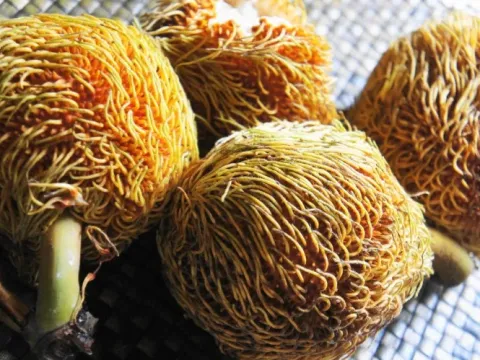
The fruit is covered in soft, hair-like fibers, which gives it a unique appearance. The pulp inside is edible, sweet, and creamy, often compared to the taste of other popular Artocarpus species.
Pollination is facilitated by insects, and the presence of a healthy ecosystem is vital for consistent fruit set. A lack of pollinators is a common cause of reduced yields in some areas.
Fruit maturation occurs over several weeks. Harvesting requires regular monitoring of the orchard as fruits ripen on the tree and can fall if not picked at the correct time.
The productivity of the tree is heavily influenced by the availability of water and nutrients. Mature specimens, when well-tended, can provide a significant harvest for local consumption.
Fungal diseases affecting the root system are the most significant threat, often induced by improper drainage. Preventive measures include ensuring soil porosity and avoiding heavy irrigation.
Various pests, including mealybugs and aphids, can infest the foliage, sucking nutrients and weakening the tree. Integrated pest management strategies are advised to keep populations in check.
Fruit borers and other insects that feed on developing fruit can lead to quality loss. Prompt removal of damaged fruit helps prevent the spread of these pests throughout the orchard.
Wildlife such as bats and birds can cause significant damage to ripening fruit. Orchardists often use protective netting around individual fruits to prevent such losses.
Maintaining high sanitary standards, such as pruning dead branches and removing debris from the orchard floor, is essential for mitigating the spread of pathogens and pests.
Harvesting is performed based on the fruit's color and tactile softness. Experienced growers identify maturity by observing the subtle changes in the "hairy" skin texture.
Fruits are harvested by hand using poles or ladders to avoid dropping them. Because the pulp is soft and perishable, impact damage must be strictly avoided during the picking process.
Once harvested, the outer fibers should be removed for cleaning. Workers often use gloves as the peel may contain a sticky latex that can be difficult to remove from the skin.
Post-harvest handling involves sorting the fruit by size and maturity level. This process ensures that the best-quality products are sent to the local market while reducing waste.
Due to the extremely short shelf life, Artocarpus sericicarpus is almost exclusively sold in local markets near the production areas. Rapid distribution is the key to minimizing post-harvest losses.