
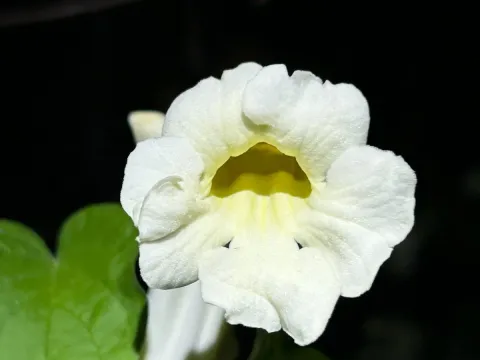
Amphilophium crucigerum
Amphilophium crucigerum
Propagation of Amphilophium crucigerum is typically performed using seeds or stem cuttings within a greenhouse environment. Fresh seeds should be sown immediately after harvest to ensure high viability rates.
What the section contains
Amphilophium crucigerum
For seed germination, maintain temperatures between 22 and 26 degrees Celsius. A well-draining, peat-based substrate provides the best conditions for seedling development in the early stages.
Cuttings should be taken from semi-hardwood stems during the active growing season. Applying a rooting hormone significantly improves the establishment of the plant's root system in a controlled medium.
Young plants should be transplanted into larger pots once they have developed at least three sets of true leaves. Proper spacing is essential to prevent overcrowding and ensure adequate airflow.
Acclimatization to outdoor conditions must be done gradually. Moving plants directly from a greenhouse to an open environment can cause transplant shock, which stunts growth for several weeks.
Amphilophium crucigerum belongs to the Bignoniaceae family and is a robust woody vine native to tropical regions of the Americas. Its natural habitat includes humid forests where it utilizes trees for structural support.
The plant thrives in fertile, loamy soils that possess excellent drainage properties. It is essential to avoid sites where water accumulates, as the root system is susceptible to fungal decay under anaerobic conditions.
Optimal growth occurs in bright, indirect light. While the species can tolerate some direct sun, prolonged exposure to extreme heat and intense solar radiation may lead to leaf scorch.
Providing a sturdy trellis or arbor is critical for this species. The plant utilizes specialized tendrils to climb, making it an excellent candidate for vertical landscaping and green architecture.
Temperature management is crucial; the plant should be protected from freezing temperatures. In temperate climates, moving the plant indoors during the winter is a standard practice for survival.
The plant is relatively resilient but can be affected by common greenhouse pests such as aphids and spider mites. Regular monitoring of the underside of the leaves is advised to prevent heavy infestations.
Root rot caused by Phytophthora or Pythium species remains the most significant threat to the health of the plant. Maintaining proper soil moisture levels is the primary method for disease prevention.
In humid conditions, powdery mildew may develop on the foliage if air circulation is insufficient. Thinning out dense branches helps reduce the risk of fungal spread throughout the vine structure.
Scale insects may attach to woody stems and branches, extracting sap and weakening the vine. Manual removal or the application of horticultural oils is recommended if a localized outbreak is detected.
Early identification of physiological stress signs, such as yellowing leaves or wilting, allows for prompt corrective actions. Nutrient deficiencies should be addressed with balanced fertilizers during the peak growing season.
Harvesting of this ornamental crop is primarily focused on seed collection for further propagation. Mature pods are usually gathered once they turn brown and begin to dry out on the vine.
It is important to harvest the pods before they dehisce naturally to ensure the seeds are not lost. The pods can be stored in paper bags to finish the drying process in a warm, dry area.
Cleaning the seeds involves removing the dry wings and debris. Properly labeled seeds should be kept in a cool, dark place to maintain maximum germination potential for the following season.
Pruning is part of the harvest and maintenance cycle. Cutting back overgrown stems improves the aesthetics and vigor of the plant, which is vital for maintaining a clean and healthy appearance.
While not a traditional agricultural commodity, the collection of biological material is conducted by nurseries specializing in exotic plant species to satisfy market demand for unique climbers.