
Amphilophium paniculatum
Amphilophium paniculatum
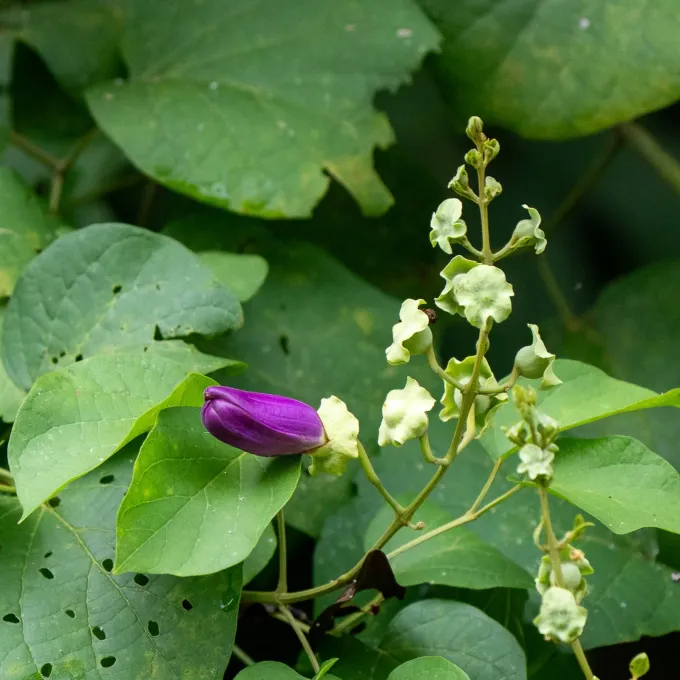
Description
Sowing dates
Propagation of Amphilophium paniculatum is primarily achieved through seeds or cuttings. Seeds require a light, well-draining substrate and consistent temperatures between 22 and 25 degrees Celsius for germination.
High humidity is essential during the early stages of seed development. Using a propagation tray with a clear plastic cover helps maintain the necessary moisture levels until sprouts appear.
Stem cuttings should be taken from healthy, semi-hardwood growth during the active growing season. The use of rooting hormones significantly improves the success rate of cutting propagation.
Once the root system is established, the young plant should be carefully transplanted into a slightly larger container, ensuring that the soil structure is maintained.
Regular monitoring of young plants is necessary to ensure they do not dry out, as they are particularly sensitive to moisture fluctuations during the early developmental phase.
Growing requirements
This species belongs to the Bignoniaceae family and is native to the tropical forests of Central and South America. It is a robust climbing plant characterized by its impressive foliage and intricate flowers.
The plant thrives in bright, indirect light. Direct sunlight, especially in hot climates, can scorch the leaves and significantly reduce the aesthetic value of the vine.
Soil requirements include a rich, organic-based medium with good aeration. Adding perlite or coarse sand helps to prevent soil compaction and ensures proper drainage.
Consistent watering is required during the summer, while winter months necessitate a reduction in frequency to prevent root rot. Watering should be done with temperate water.
Regular pruning is necessary to control the size of the plant and to stimulate new growth, which helps in maintaining a dense and healthy canopy of leaves.
Main diseases and pests
Common pests affecting this vine in greenhouse settings include spider mites and scale insects. These pests can cause significant damage to the leaves if left unchecked.
Fungal issues such as leaf spot or powdery mildew can occur if the airflow around the plant is insufficient, especially in environments with high ambient humidity.
Management of pest populations should involve regular inspections of the underside of leaves, where mites typically congregate, followed by targeted applications of organic or chemical pesticides.
Root rot, often caused by overwatering or poorly draining soil, is a critical threat. Ensuring that the pot has sufficient drainage holes is a primary preventive measure.
Maintaining proper sanitation in the growing area, such as removing fallen leaves and debris, effectively reduces the risk of fungal infections and recurring pest outbreaks.