
Amphilophium buccinatorium
Amphilophium buccinatorium
Description
Growing requirements
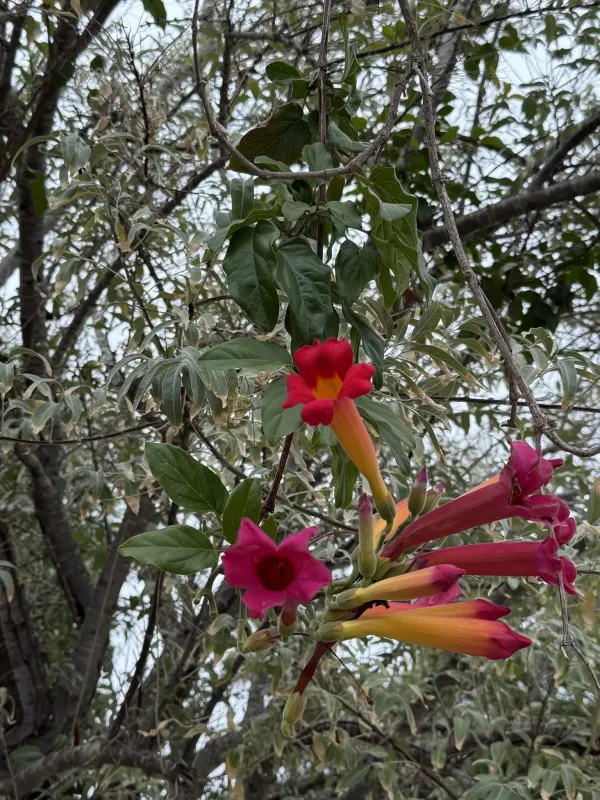
Amphilophium buccinatorium is a notable member of the Bignoniaceae family, commonly recognized as a vigorous evergreen woody vine. Originating from Mexico, this species has gained popularity in tropical and subtropical regions for its striking trumpet-shaped flowers and rapid growth habit.
The plant thrives in warm climates and requires full sunlight to partial shade to reach its full flowering potential. It is highly sensitive to frost, necessitating protection or indoor cultivation in regions where temperatures drop significantly during winter months.
Regarding soil requirements, this vine prefers fertile, well-draining substrates rich in organic matter. Sandy loam with a neutral pH is considered ideal for healthy root development and overall plant vitality. Proper drainage is essential to prevent waterlogging, which the plant cannot tolerate.
Agricultural practices must focus on providing sturdy structural support, as the vine uses specialized tendrils to climb. Regular pruning is necessary to maintain the desired size and shape, as well as to remove dead or diseased wood that can impede growth.
Consistent watering schedules are vital, particularly during the active growing season. While the plant is somewhat drought-tolerant once established, supplemental moisture during prolonged hot spells ensures lush foliage and more frequent floral displays.
Main diseases and pests
Common pests that affect Amphilophium buccinatorium include spider mites and scale insects. These pests often proliferate in dry, indoor environments or under suboptimal outdoor conditions, requiring targeted insecticide applications to maintain plant health.
Root rot caused by fungal pathogens is the most significant disease risk, typically triggered by overwatering or compacted soils. Maintaining a strict irrigation protocol and ensuring proper soil aeration are the best preventative measures against these soil-borne threats.