
Rhodoxis hybrid
x Rhodoxis hybrida B. Mathew
Description
Sowing dates
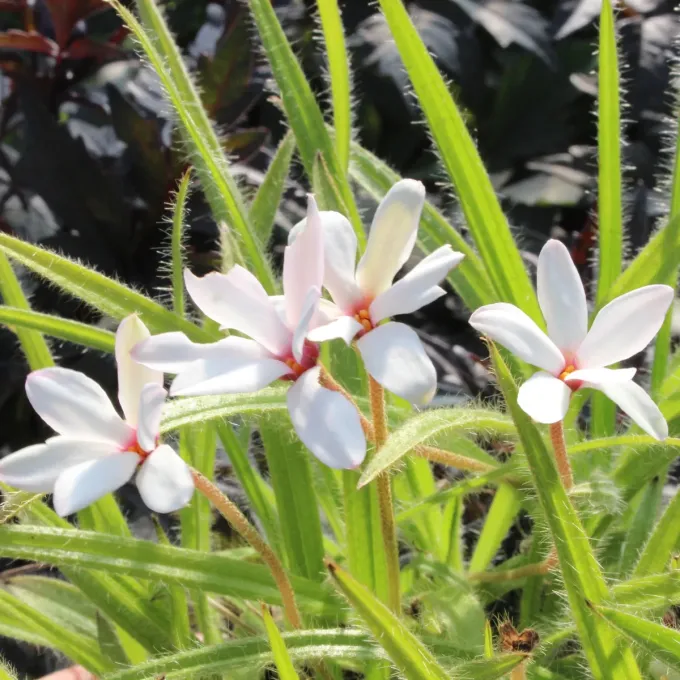
Rhodoxis hybrid is an intergeneric hybrid resulting from the cross-breeding of Rhodohypoxis and Hypoxis. As a member of the Hypoxidaceae family, this perennial bulbous plant is valued for its compact growth habit and long-lasting floral display, making it a popular choice for rock gardens and patio containers.
The optimal time for planting in open ground is spring, once the threat of frost has passed and the soil has sufficiently warmed up. For regions with colder climates, starting the bulbs in pots indoors during late winter allows for a head start, ensuring a stronger plant before transplanting outside in May.
When planting, bulbs should be set at a depth of 3 to 5 centimeters. Proper spacing of 10 to 15 centimeters is recommended to allow the plants enough room to form dense, healthy clusters while ensuring adequate air circulation to prevent fungal growth.
The selection of a planting site is essential for success: Rhodoxis requires plenty of bright light to thrive. While it loves the sun, in exceptionally hot climates, partial shade during the peak of the afternoon heat is beneficial to prevent foliage scorch and moisture stress.
Propagation is most commonly achieved through vegetative division of the root clumps. This task is best performed in early spring or immediately after the flowering season has concluded, ensuring each division contains a healthy portion of the root system to encourage quick establishment in new locations.
Growing requirements
A well-draining, loose soil structure is paramount for Rhodoxis hybrida. Because the bulbs are prone to rotting in saturated conditions, incorporating sand or fine grit into the planting medium is highly recommended, especially in heavy clay soils where drainage is naturally poor.
During the active growing season, consistent moisture is necessary, but the soil should never become waterlogged. A balance must be struck: the soil should feel moist to the touch but allowed to drain freely. As autumn approaches, watering should be gradually reduced to initiate the plant's natural dormancy phase.
In temperate climates, the bulbs are not fully frost-hardy and require winter protection. In colder zones, the most reliable method is to lift the bulbs in autumn, clean them, and store them in a cool, dry environment—such as a basement or garage—at temperatures between 5 and 10 degrees Celsius.
Nutritional needs are best met using balanced, slow-release fertilizers applied early in the growth phase. High nitrogen levels should be avoided, as this can encourage excessive leafy development at the expense of floral production and may weaken the plant's resistance to environmental stress.
Maintaining a weed-free zone around the plants is essential for their overall vigor. The use of organic or inorganic mulch, such as fine gravel, not only suppresses weed competition but also helps maintain stable soil temperatures and keeps the foliage clean after rainfall.
Main diseases and pests
Fungal rots are the most significant threat to the health of Rhodoxis hybrida. These are almost always caused by overwatering or poor soil drainage, which stresses the bulbs and makes them susceptible to soil-borne pathogens. Prevention starts with strict irrigation management and proper drainage.
Gray mold (Botrytis) may appear on the foliage or flower stems if humidity levels remain high for extended periods without adequate air circulation. Removing infected plant tissue and ensuring proper spacing between plants are effective cultural practices to minimize the impact of these infections.
Root mites can cause severe damage to the bulbs, particularly while they are in storage or during the early stages of spring emergence. Treating bulbs with appropriate insecticidal dips prior to planting is a highly effective preventative measure to ensure clean, healthy growth.
Aphids can occasionally colonize young growth, especially during the spring bloom. While they rarely kill the plant, their feeding can deform new shoots and weaken the specimen, warranting the use of insecticidal soap or other systemic pesticides if the infestation becomes significant.
Nematodes are another concern that can lead to stunted growth and yellowing of the leaves. Because these pests are difficult to eradicate once established, the best defense is using certified, disease-free planting material and practicing regular crop rotation within the garden beds.