
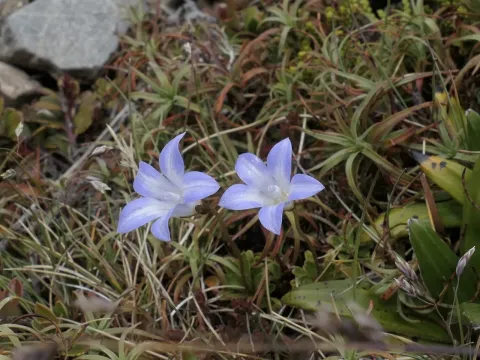
Wahlenbergia
Wahlenbergia
Wahlenbergia seeds are exceptionally small, requiring surface sowing for optimal germination. Press the seeds lightly into the moist substrate without covering them with soil to allow sufficient light exposure for the seedlings.
What the section contains


Wahlenbergia
For indoor propagation, sow seeds in late winter or early spring using a well-draining seed mix. Maintain a temperature of 18-22 degrees Celsius and cover the containers to ensure high humidity during the initial growth stage.
Transplant the seedlings into the outdoor environment only when all risks of frost have passed. Gradually acclimatize the plants to outdoor conditions to prevent transplant shock and ensure steady root development.
When sowing directly into the field, ensure the site is free from perennial weeds, as Wahlenbergia seedlings grow slowly during their early stages. Consistent moisture is crucial during the germination period.
Maintain a spacing of approximately 20 to 30 centimeters between individual plants. Adequate spacing is essential for air circulation, which helps prevent the development of moisture-related fungal issues.
Wahlenbergia is a genus in the Campanulaceae family, primarily native to the Southern Hemisphere, including Australia, New Zealand, and South Africa. These plants thrive in diverse environments but generally prefer open landscapes.
Optimal growth is achieved in sunny locations, although mild afternoon shade is beneficial in regions with intense heat. Consistent sunlight promotes compact growth and a prolific display of flowers throughout the season.
The plants require well-draining, moderately fertile soil with a neutral to slightly acidic pH. Incorporating organic matter or grit can improve soil structure and prevent the roots from becoming waterlogged.
Regular but moderate watering is necessary, especially during dry spells. Avoid keeping the soil saturated, as excessive water retention can quickly lead to root rot, the most common physiological disorder in this crop.
The culture is sensitive to severe frost and high winds. In colder regions, it is frequently managed as an annual or overwintered in protected environments such as greenhouses or conservatories.
Root rot is the most significant threat to Wahlenbergia, typically caused by poor drainage and excessive moisture. Ensure the substrate remains porous and avoid overhead watering to keep the foliage dry.
Aphids and spider mites are common pests that target tender growth. Early detection and the application of appropriate systemic insecticides can prevent significant damage to the plant's health and aesthetic appeal.
Slugs and snails can cause considerable harm to young plants. Implementing physical barriers, such as copper tape or organic baits, effectively manages the population and protects the developing foliage.
Powdery mildew may occur if air circulation is insufficient or if the plants are crowded. Regular pruning of dead or unhealthy material and providing enough space between plants are vital preventative measures.
Maintaining a balanced nutrition program is important to support the plant's natural defenses. Over-fertilization with nitrogen should be avoided to prevent weak, succulent growth that is more prone to pest attacks.