
Wahlenbergia stricta
Wahlenbergia stricta
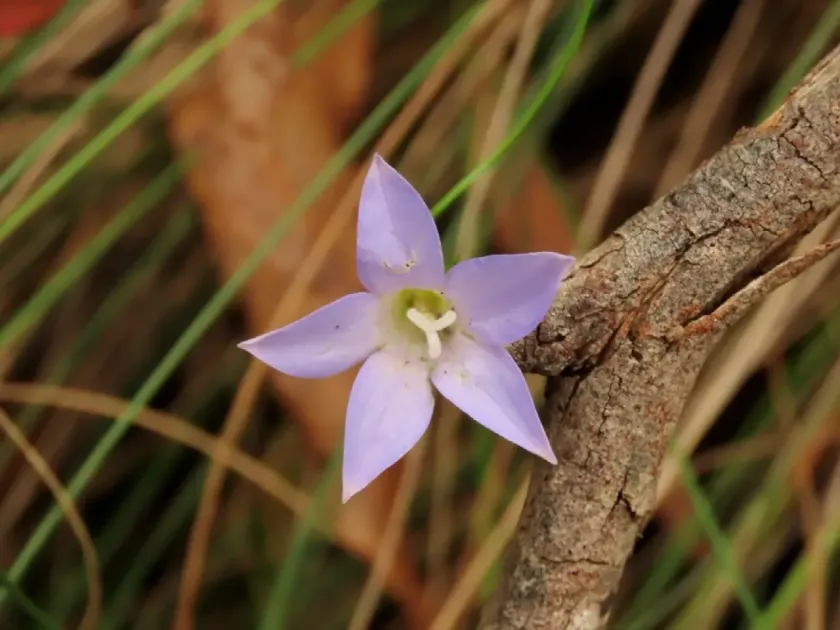
Description
Growing requirements
Wahlenbergia stricta, commonly known as the tall bluebell, is a herbaceous perennial belonging to the Campanulaceae family. It is native to Australia, where it is found in diverse habitats ranging from grasslands to rocky ridges, reflecting its significant evolutionary adaptability.
The plant is distinguished by its erect, slender stems and narrow leaves, which support delicate, bell-shaped blue-violet flowers. Its growth habit makes it a charming addition to various landscaping projects, especially those mimicking native grassland or alpine environments.
For successful cultivation, the plant requires well-drained, sandy or loamy soils. It thrives in environments where soil moisture can be controlled, as it cannot tolerate prolonged periods of waterlogging, which often leads to poor plant performance and root degradation.
Climatic requirements favor sunny to partially shaded locations. While the species is somewhat drought-tolerant once established, supplemental irrigation is recommended during the early stages of growth to ensure a robust root system and prolonged flowering period.
The plant is primarily utilized for ornamental purposes in rock gardens, borders, and as part of biodiversity-focused restoration projects. Its low maintenance profile makes it a popular choice for gardeners interested in creating visually appealing, low-input landscapes.
Main diseases and pests
The primary threats to Wahlenbergia stricta include fungal pathogens that thrive in humid or stagnant conditions. To mitigate these risks, proper spacing and air circulation are essential, especially in denser plantings where microclimates can become overly humid.
Common pests such as slugs and snails are often attracted to the foliage of young plants. Growers should implement integrated pest management strategies, such as using physical barriers or organic deterrents, to minimize potential damage and protect the aesthetic value of the crop.