
Wahlenbergia gracilis
Wahlenbergia gracilis
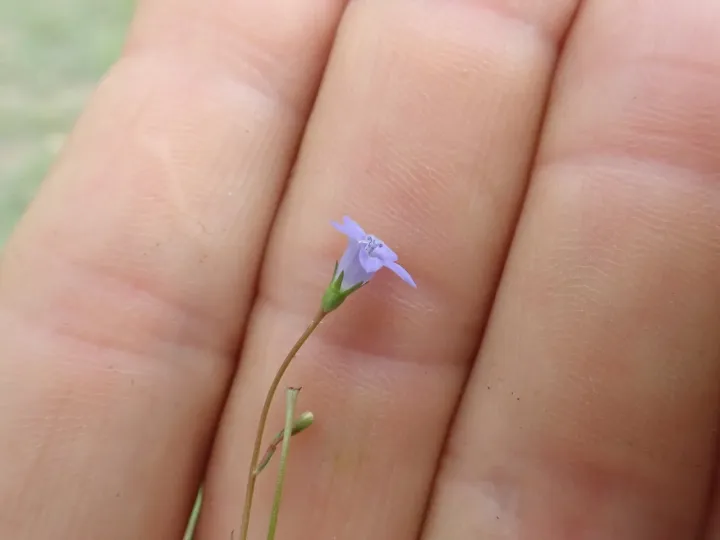
Description
Sowing dates
Wahlenbergia gracilis, commonly known as the Australian bluebell, is a delicate perennial herb belonging to the Campanulaceae family. It is native to diverse landscapes across Australia and parts of Asia.
Propagation is primarily achieved through seeds, which should be sown in late winter or early spring. Use a sterile, well-draining seed-starting mix to ensure successful germination without fungal interference.
The seeds are exceptionally small and require exposure to light for germination. Surface sow the seeds by pressing them lightly into the moist medium and avoid burying them under soil layers.
Maintaining a consistent environment is essential during the early stages. Keep the temperature between 18-22 degrees Celsius and use a spray bottle to keep the substrate moist without dislodging the seeds.
Once the seedlings develop at least two true leaves, they can be carefully transplanted into larger individual containers. Harden off the plants before permanently moving them outdoors to ensure robust growth.
Growing requirements
This species thrives in locations that provide plenty of morning sun and afternoon shade. Excessive heat during midday can cause wilting, so sheltered positions are preferred in warmer regions.
Soil requirements focus on excellent drainage and a neutral to slightly acidic pH. Incorporating organic compost in moderation helps retain necessary moisture while preventing the soil from becoming waterlogged.
Regular but controlled watering is crucial for Wahlenbergia gracilis. It is better to allow the top layer of soil to dry out slightly between waterings to encourage a healthy root system and prevent decay.
The plant performs best in temperate climates where humidity remains moderate. In dry indoor conditions, placing the pot on a tray with pebbles and water can help increase local humidity levels.
Fertilization should be handled with care. A balanced liquid fertilizer diluted to half strength applied once at the start of the growth season is sufficient to support flowering without encouraging leggy growth.
Main diseases and pests
Spider mites are a common pest, especially in environments with poor air circulation and low humidity. Regular misting and the use of insecticidal soap are effective methods for managing mite populations.
Aphids tend to cluster on soft, new growth, sucking sap and potentially transmitting viral diseases. Manual removal or the application of biological controls like neem oil is often sufficient for minor infestations.
Fungal issues such as powdery mildew can occur if the foliage remains wet for extended periods. Proper spacing between individual plants is essential to ensure adequate airflow and reduce pathogen spread.
Root rot, driven by overwatering or compacted soil, is the most lethal threat to this plant. Always ensure that containers have clear drainage holes to prevent water accumulation at the base.
Snails and slugs may feed on young leaves, particularly after rainfall. Using copper tape barriers or eco-friendly bait can protect the young plants until they become more established and resilient.