
Wahlenbergia procumbens
Wahlenbergia procumbens (Thunb.) A.DC.
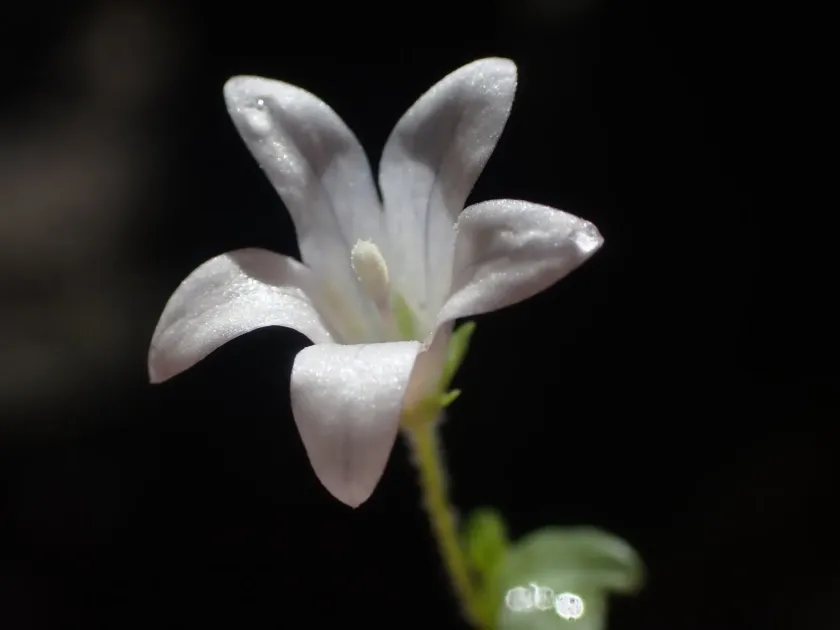
Description
Sowing dates
Wahlenbergia procumbens, a member of the Campanulaceae family, is typically propagated from seeds. Sowing is best carried out in early spring in controlled greenhouse conditions to ensure precise temperature management.
The seeds are minute and should be surface-sown onto a fine, moist potting mix. They require light to germinate, so they should not be covered deeply with soil, and high humidity must be maintained throughout the process.
Once the seedlings develop their first true leaves, they should be transplanted into individual containers to allow the root system to expand fully. This is a critical stage for the long-term health of the plant.
Acclimatization of seedlings to outdoor conditions should be gradual, avoiding sudden changes in temperature or light intensity that can stress the young plants.
Proper spacing is essential to ensure adequate airflow between plants, which is necessary to prevent humidity-related issues in the nursery stage.
Growing requirements
This species thrives in well-draining, slightly acidic to neutral soil. Poorly drained soil can lead to rapid root degradation, making the inclusion of perlite or sand in the potting mix advisable.
Wahlenbergia procumbens prefers bright, indirect light. Exposure to intense, direct afternoon sun can scorch the foliage and reduce the aesthetic value of the plant.
Watering must be performed with caution, keeping the soil consistently moist but never waterlogged. Monitoring the weight of the containers can be a practical way to manage irrigation needs.
The ideal temperature range for growth is between 15°C and 25°C. In hotter climates, the plants benefit from increased ventilation and afternoon shade to maintain vigor.
Fertilization should be balanced, focusing on promoting root and floral development rather than excessive foliage growth. A dilute liquid fertilizer is generally recommended during the active growing season.
Main diseases and pests
Spider mites are the most common pest, especially in environments with low humidity. Regular inspection and maintaining appropriate humidity levels are the best deterrents against infestation.
Root rot caused by overwatering is a significant threat to Wahlenbergia species. Ensuring excellent drainage and avoiding standing water in the drip trays is essential for plant survival.
Powdery mildew may occur if air circulation is insufficient. Providing space between plants and avoiding overhead irrigation can significantly reduce the risk of this fungal pathogen.
Slugs and snails can cause substantial damage to the low-growing foliage. Implementing physical barriers or organic pest control methods can mitigate this risk in outdoor settings.
Keeping the growing area free of plant debris helps minimize the environment where pests and diseases can overwinter or proliferate during the season.