
Wahlenbergia gloriosa
Wahlenbergia gloriosa
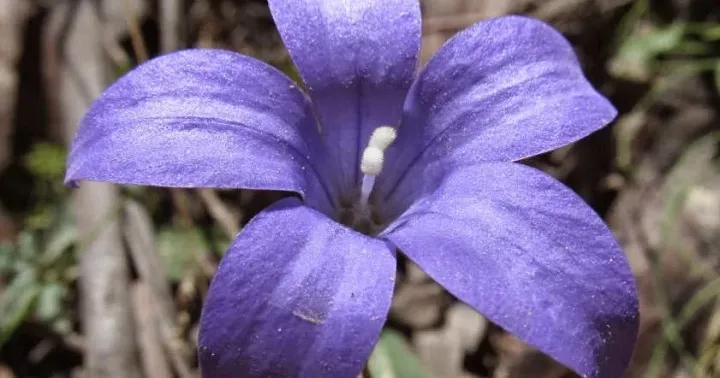
Description
Growing requirements
Wahlenbergia gloriosa, commonly known as the Royal Bluebell, is a perennial herb belonging to the Campanulaceae family. This species is native to the alpine and subalpine regions of southeastern Australia, where it thrives in rocky, well-drained habitats.
The plant is characterized by its trailing stems that spread to form dense mats of foliage. Its lanceolate leaves provide a lush green base that supports the development of vivid, star-shaped or bell-shaped flowers in shades of intense violet and blue.
Flowering typically occurs throughout the warmer months, making it a highly valued ornamental plant for rockeries and ground cover applications. It is prized for its ability to soften hard landscaping elements with its elegant, prolific blooms.
The cultivation requirements focus on mimicking its natural mountain environment. It demands soil with excellent drainage, preferably sandy or gravelly loam, to prevent root rot, which is the most common cause of failure in domestic gardens.
This species prefers full sun to light shade. While it is hardy in cool climates, the soil should remain moist but never waterlogged during the active growing season. Regular, light pruning after the main flowering flush can encourage secondary growth.
Main diseases and pests
The primary threats to Wahlenbergia gloriosa are fungal infections such as root rot and stem blight, which thrive in conditions of high humidity and poor soil drainage. Keeping the crown of the plant dry is essential for long-term survival.
Garden pests like slugs and snails are significant threats to the foliage and buds. Integrated pest management strategies, including barriers or traps, are recommended to protect the delicate tissues of the plant from damage.
Inadequate airflow can promote powdery mildew on the foliage during humid summers. Spacing the plants appropriately during installation helps maintain a microclimate that reduces the risk of such infections.
Nutrient deficiencies may occur if the soil is too lean or if leaching is excessive due to high rainfall. A balanced, low-concentration fertilizer applied in spring can support robust growth without causing leggy stems.
Monitoring for common sap-sucking insects like aphids is advised, as they can stress the plant and spread viral diseases. Early intervention with organic insecticidal soaps is usually sufficient to maintain the health of the crop.